Quranic Reflections on the Universe: Understanding Allah’s Signs in Creation
When we look up at the night sky, even without telescopes or instruments, the vastness and beauty of the universe immediately strike us. The impressive display of stars, galaxies, and celestial patterns reflects a level of design and harmony that goes far beyond mere chance. For believers, this beauty is not just aesthetic — it is symbolic of the power, wisdom, and mastery of Allah (Subḥānahu wa Taʿālā), the Creator of all things.
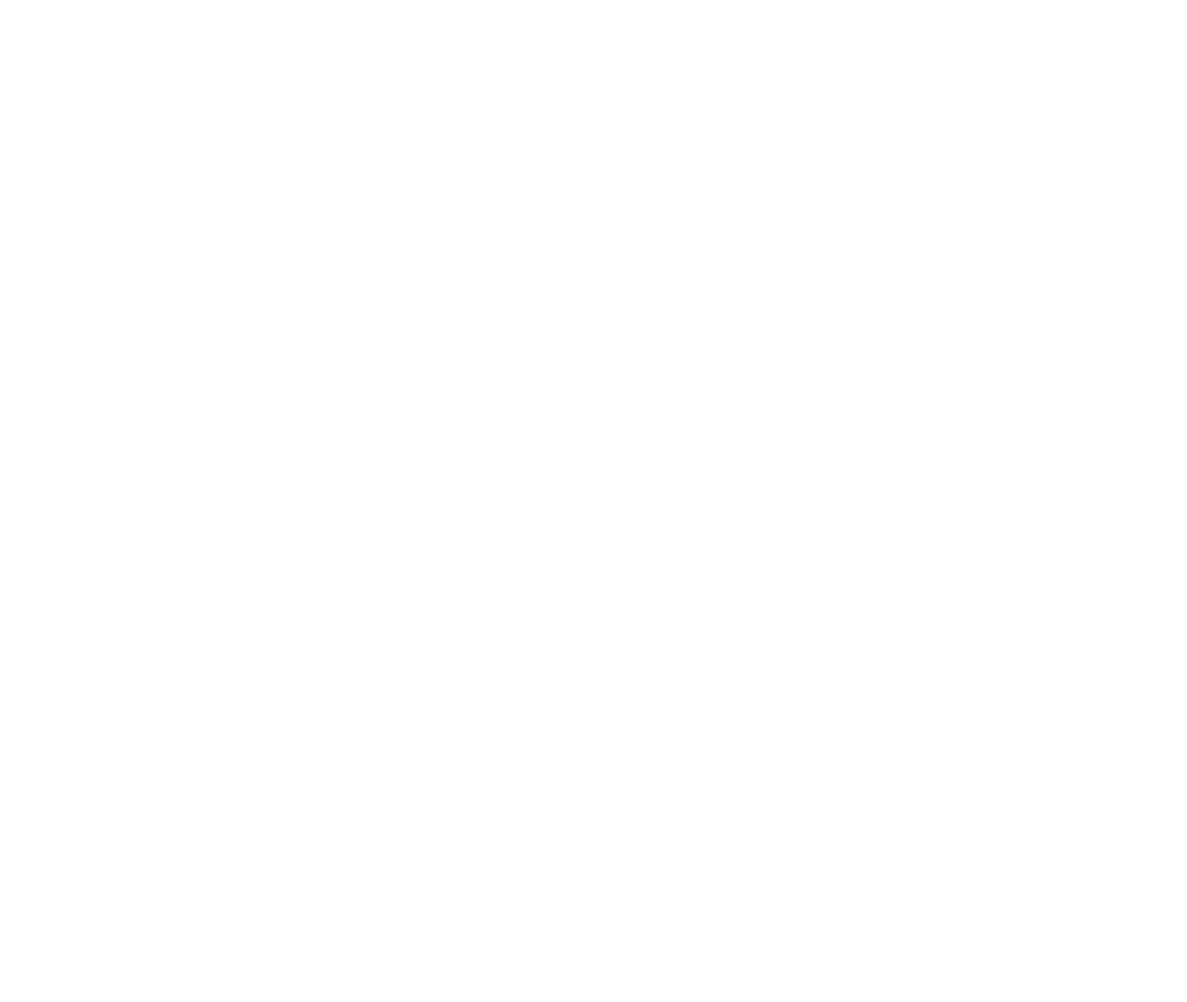
The Quran invites thoughtful reflection on the heavens and the earth, urging humans to contemplate the magnificence of what has been created. Such reflection is not merely an intellectual exercise, but a means to recognize Allah’s greatness and strengthen one’s faith.
The Universe: A Sign of Allah’s Creative Majesty
From the smallest particles to the most remote galaxies, every corner of creation testifies to Allah’s infinite power. The Quran repeatedly points us to the heavens and the earth as signs (āyāt) that should inspire deep thought and gratitude. Allah says:
“Do they not reflect on themselves? Allah created the heavens and the earth and whatever lies between them in truth and for an appointed term…”
— Quran 30:8
This verse highlights both the grandeur of creation and the importance of reflection. It asks believers to consider not only the physical expanse of the universe but also their own existence within it. The creation of the heavens and the earth, declares Allah, is deliberate, purposeful, and governed by divine wisdom.
Another verse emphasizes the presence of divine signs in the natural rhythms of our world:
“Indeed, in the creation of the heavens and the earth and the alternation of night and day are signs for people of understanding.”
— Quran 3:190
Here, Allah draws attention to the alternation of night and day — an observable cycle that testifies to order and precision in the universe. These rhythms, observable to all of humanity, are described as signs for those who think deeply and recognize the guiding Hand behind all phenomena.
The Vastness of the Cosmos
Modern astronomy has revealed that the universe is incredibly vast, far beyond what anyone could have imagined without scientific tools. The observable portion of the cosmos — the part humans can detect through telescopes and research — spans an estimated 93 billion light-years in diameter. Light itself travels at an astonishing speed of about 300,000 kilometers per second, yet even at this speed it would take light 93 billion years to traverse the visible universe.
Within this expanse are hundreds of billions of galaxies, each containing millions to trillions of stars. Many of these galaxies are grouped into clusters, and these clusters form even larger structures called superclusters. In this immense framework, our own Milky Way is just one galaxy among countless others.
Each star may host its own planetary system, which means the number of planets in the universe is likely trillions upon trillions. Some of these planets are barren rocks, while others may have conditions more suited for life — though so far, Earth remains uniquely hospitable in all that astronomy has discovered.
This staggering scale evokes a profound sense of humility. The universe stretches far beyond our imagination, and yet Allah’s wisdom is present throughout — in both grand design and intricate detail.
Galaxies, Stars, and Solar Systems
Galaxies — immense collections of stars, gas, dust, and dark matter — are the basic building blocks of the universe. The Milky Way alone contains hundreds of billions of stars, each potentially accompanied by planets, moons, asteroids, and comets. Some stars are larger and brighter than our Sun, while others are smaller and cooler.
Our solar system, situated within the Milky Way, revolves around one average-sized star — the Sun. It includes eight recognized planets, many moons, and countless smaller bodies like dwarf planets and asteroids. Even this tiny system, which seems vast from our perspective, occupies only a negligible part of the galaxy.
The incredible variety and order in celestial bodies demonstrate the precise laws governing the universe. Each object follows predictable patterns influenced by gravity and other forces — illustrating harmony and balance at every scale.
The Earth: A Unique Habitat
Among all celestial bodies, Earth holds a special place. The Quran describes Allah’s creation of the earth with specific features that make it conducive to life:
“And the earth — We have spread it out and placed therein firm mountains and caused to grow therein every kind of beautiful pair…”
— Quran 15:19
This verse highlights three key elements:
- Stability: Mountains act as stabilizing features that support the Earth’s structure.
- Fertility: The land is fertile and capable of sustaining life through vegetation and food sources.
- Design: The Earth’s environment is purposeful and suited to human habitation.
Allah has also provided the atmosphere — a protective envelope of air that sustains life and regulates temperature. Oceans, rivers, and lakes ensure the availability of water, the essential medium for all known life forms.
The Sun’s energy supports both plant and animal life, while the alternation of day and night provides periods for work and rest. Every aspect of Earth’s design reflects a balance that is crucial for human existence.
Creation, Purpose, and Accountability
The Quran makes it clear that the universe was not created aimlessly. Allah declares:
“We did not create the heavens and the earth and whatever is between them in vain.”
— Quran 38:27
Creation has purpose, and humans are placed on Earth not merely to exist but to reflect, act righteously, and worship their Creator. The universe is vast and filled with signs — but these signs are meant to lead humans toward understanding, accountability, and recognition of their role as Allah’s vicegerents on Earth.
Another verse underscores humanity’s unique position:
“Did you think that We created you in vain and that to Us you would not be returned?”
— Quran 23:115
This reminder teaches that life is purposeful, and the blessings we enjoy — physical, intellectual, and spiritual — come with responsibility. We are urged to use our reasoning to recognize Allah’s signs in the cosmos and to live our lives in accordance with divine guidance.
Gratitude and Worship
Allah’s creation is generous and full of blessings — from the vast universe that marvels the human heart to the intricate details that sustain life on Earth. These blessings are countless and cannot be fully enumerated by human minds.
Islam teaches that sincere gratitude (shukr) should arise when a believer contemplates these signs. Gratitude is not merely verbal praise — it is demonstrated through righteous actions, obedience to Allah, and mindful appreciation of His favors.
Worship of Allah stems from recognizing His supreme authority, acknowledging His ongoing role in sustaining the universe, and expressing devotion through submission and gratitude. A believer sees Allah’s hand in both the immense cosmos and the intimate details of life, forming a deep spiritual connection through contemplation and worship.
Conclusion: Signs for Those Who Reflect
The universe in all its majesty is more than a physical reality; it is a reminder of Allah’s power, wisdom, and mercy. Every galaxy, star, planet, and natural cycle serves as a sign pointing toward the Creator. The Quran invites us not only to observe these signs but to reflect upon them deeply — to recognize that the cosmos and human life are part of a comprehensive divine plan.
In turning our gaze upward and pondering creation, we find spiritual humility, intellectual inspiration, and a strengthened faith — grounding our existence in the acknowledgment that Allah alone is the Sustainer of all.
Reflect and Learn: Delve deeper into Quranic teachings and explore the universe through the lens of faith.
Enroll in QuranAdept Courses: Gain knowledge about the Quran, Islamic studies, and the wonders of creation from certified online instructors.