
Young Muslims Have Created an Inclusive Ramadan That Works for Everyone — Now That’s in Danger
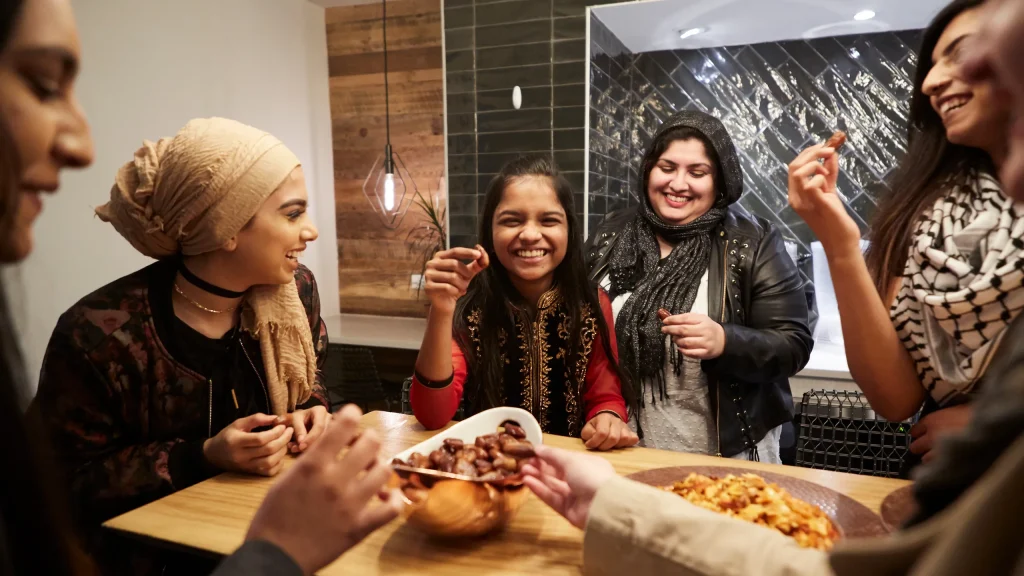
Over the past few years, young Muslims around the world have been redefining Ramadan, making it more inclusive and adaptable to different lifestyles, genders, and diverse communities. This modern approach to the holy month emphasizes accessibility, equality, and mental health, ensuring that fasting and worship can coexist with work, education, and social life. However, recent developments and societal pressures now threaten this inclusive approach, putting the progress made by younger generations at risk.
What Makes This Ramadan Inclusive?
Traditionally, Ramadan has been observed in a strict manner, with a focus on fasting from dawn to sunset and attending communal prayers. While this structure remains central, young Muslims have adapted practices to suit modern life:
- Flexible Fasting Options: Those with health challenges, irregular work schedules, or academic commitments can now follow modified fasting schedules without feeling excluded.
- Women’s Participation: Community spaces have been reimagined to encourage women’s engagement in prayers, volunteering, and religious events, breaking long-standing gender barriers.
- Mental Health Awareness: Fasting and worship are now coupled with attention to mental and emotional well-being, acknowledging that Ramadan should be spiritually uplifting, not a source of stress.
- Digital and Social Media Engagement: Apps, online lectures, and virtual iftar gatherings allow a wider, global participation, connecting Muslims across countries and cultures.
Why This Inclusive Approach Matters
Young Muslims’ innovations are significant because they challenge rigid traditions that often exclude people due to gender, health, or personal circumstances. By creating inclusive practices, the younger generation:
- Encourages broader community participation in religious life.
- Reduces the stigma around alternative fasting methods or shorter prayers.
- Ensures that Ramadan is relevant and meaningful in a fast-paced, modern world.
The inclusive Ramadan movement is also fostering dialogue about diversity within Islam, recognizing that communities are not monolithic, and different people may need different forms of participation.
The Challenges Ahead
Despite the positive changes, inclusive Ramadan practices are facing pushback:
- Conservative Resistance: Some traditionalists see flexible fasting and gender-inclusive initiatives as undermining religious orthodoxy.
- Community Polarization: Differing views on modern practices are creating divisions within mosques and community centers.
- Policy and Institutional Barriers: Workplaces, schools, and some religious institutions may not accommodate flexible fasting hours or inclusive prayer spaces, making the implementation of inclusive practices challenging.
These challenges threaten to roll back progress and discourage young Muslims from innovating further, risking a return to rigid observances that do not meet the needs of diverse communities.
Voices from the Community
Young Muslims express that this inclusive approach has transformed their experience of Ramadan. For many, it has become a month of connection, spiritual growth, and community solidarity rather than just ritual observance. Activists argue that pushing back against these changes could alienate younger generations and reduce engagement in religious life.
Why the Inclusive Ramadan Is Important for the Future
The inclusive Ramadan model exemplifies adaptation and resilience within religious traditions. By accommodating health, work-life balance, gender equity, and digital innovation, it ensures that Islam remains accessible and meaningful for the next generation. Preserving these practices is critical to fostering a vibrant, diverse, and spiritually engaged Muslim community.
Frequently Asked Questions (FAQ)
What is an inclusive Ramadan?
An inclusive Ramadan is a way of observing the holy month that accommodates health, gender, lifestyle, and mental well-being, ensuring everyone can participate meaningfully.
How have young Muslims made Ramadan more inclusive?
By introducing flexible fasting schedules, digital gatherings, women-friendly prayer spaces, and mental health awareness, young Muslims have made Ramadan more adaptable and accessible.
Why is this inclusive Ramadan now in danger?
Pushback from conservative community members, institutional barriers, and social pressures are challenging the new inclusive practices, risking regression to rigid traditions.
