
The Value of Trees in Islam
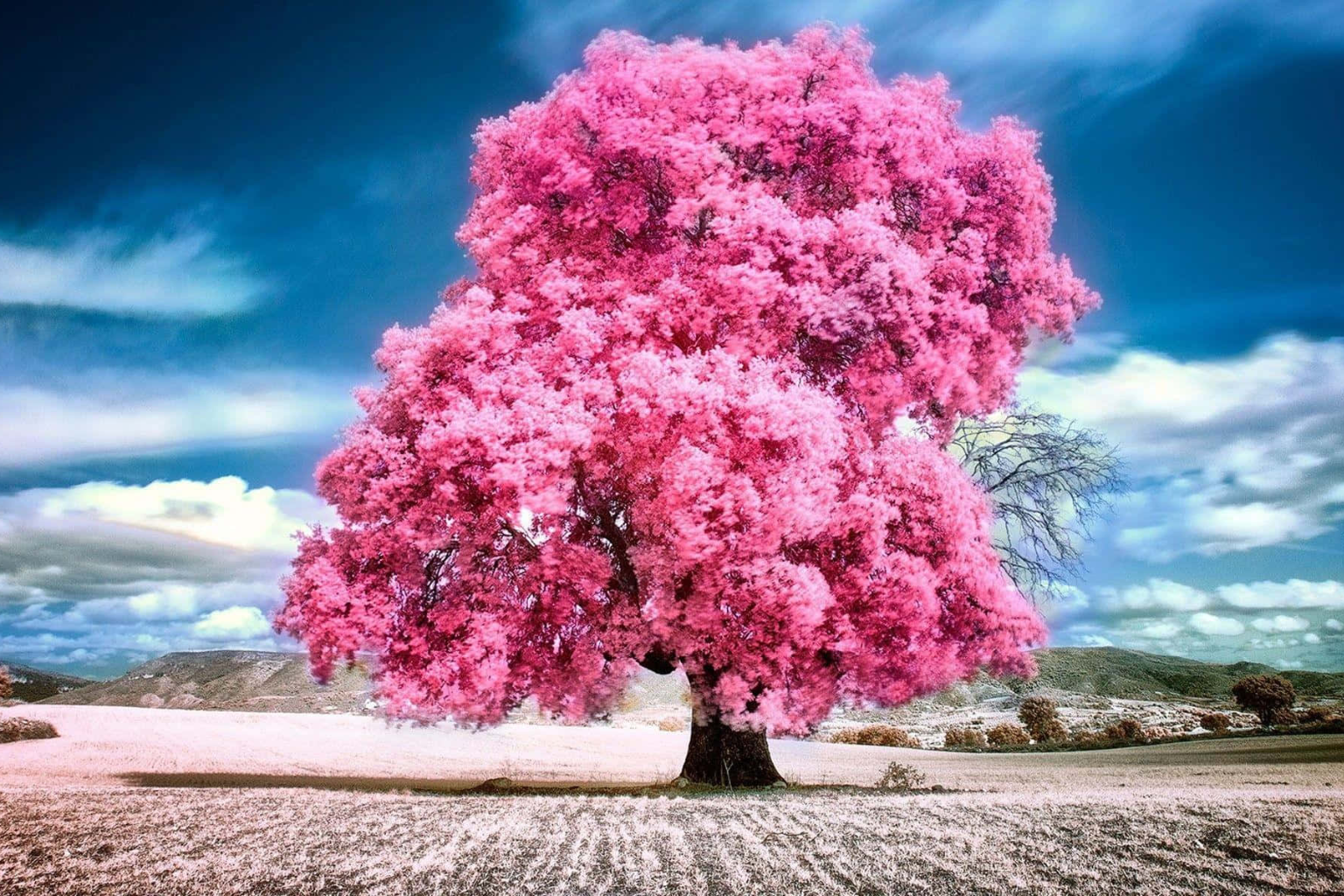
Islam emphasizes the importance of conserving the environment. Believers are obliged to protect plant and animal life and to maintain the natural world by avoiding actions such as cutting trees unnecessarily, polluting water, or contaminating the air. The Quran contains numerous verses describing lush gardens and trees, highlighting their significance in both this life and the Hereafter. Similarly, the sayings of Prophet Muhammad ﷺ underline the importance of planting and caring for trees. Beyond their physical benefits, trees hold deep spiritual significance in Islam.
An Ongoing Act of Charity
The Prophet ﷺ said:
“There is none amongst the Muslims who plants a tree or sows seeds, and then a bird, or a person or an animal eats from it, but it is regarded as a charitable gift for him.”
[Sahih al-Bukhari, 2320]
Planting trees is considered Sadaqatul Jaariya (ongoing charity). Whoever plants a tree continues to receive rewards as long as any living being benefits from it.
A Spiritual Connection
The Prophet ﷺ demonstrated a deep spiritual bond with trees. Once, he stood near a date-palm on a Friday, and when a pulpit was made for him, the tree “cried” as it missed hearing the religious teachings. The Prophet ﷺ comforted it, reflecting the respect and spiritual connection he had with all living beings. This hadith shows the importance of treating trees and nature with care and reverence.
[Sahih al-Bukhari, 3584]
A Metaphor for Believers
Trees are also used as metaphors for believers. Ibn Umar narrated:
“I was with the Prophet ﷺ while he was eating fresh dates. He said, ‘From the trees, there is a tree which resembles a faithful believer… It is the date palm.’”
[Sahih al-Bukhari, 2209]
This teaches that just as trees serve life, believers are meant to contribute positively to society and uphold the values of Islam.
The Trees of the Afterlife
The Quran and Sunnah also mention trees in the Hereafter:
- Sidrat al-Muntaha (Lote Tree): During the Night of Ascension, the Prophet ﷺ saw Jibreel near this tree, a sign of Allah’s grandeur. [An-Najm: 16-18]
- Tree of Zaqqum: A cursed tree in Hell, mentioned in the Quran, which sinful people will eat from. [Ad-Dukhan: 43-44]
The Trees Mentioned in the Quran
Olive Trees (Az-Zaitoon):
After date-palms, olives are frequently mentioned.
“And [We brought forth] a tree [Olives] issuing from Mount Sinai which produces oil and food for those who eat.” [Al-Mu’minoon: 20]
Gourd (Al-Yaqteen):
“And We caused to grow over him a gourd vine.” [Al-Saaffaat: 146]
Gourds provide shade, nourishment, and other benefits.
Other Fruits:
Fig, pomegranate, and grape trees are also highlighted:
“By the fig and the olive” [At-Tin: 1]
“In them will be fruits, and dates and pomegranates” [Ar-Rahman: 68]
“He causes to grow for you thereby the crops, olives, palm trees, grapevines, and of all the fruits. Indeed in that is a sign for a people who give thought.” [An-Nahl: 11]
Conclusion: Responsibility to Protect Trees
It is the duty of every believer to care for the environment and support afforestation. Even small actions, like planting trees at home, have immense rewards. Respecting and nurturing trees aligns with the teachings of the Quran and Sunnah, both spiritually and practically.
ALSO KNOW:
The Quran and the Phenomenon of Day and Night
10 Greatest Muslim Scientists Who Transformed the World
9 Scientific Facts in the Quran That Will Astonish You