Ramadan 2026: First Day Announced After Crescent Moon Sighting in Saudi Arabia
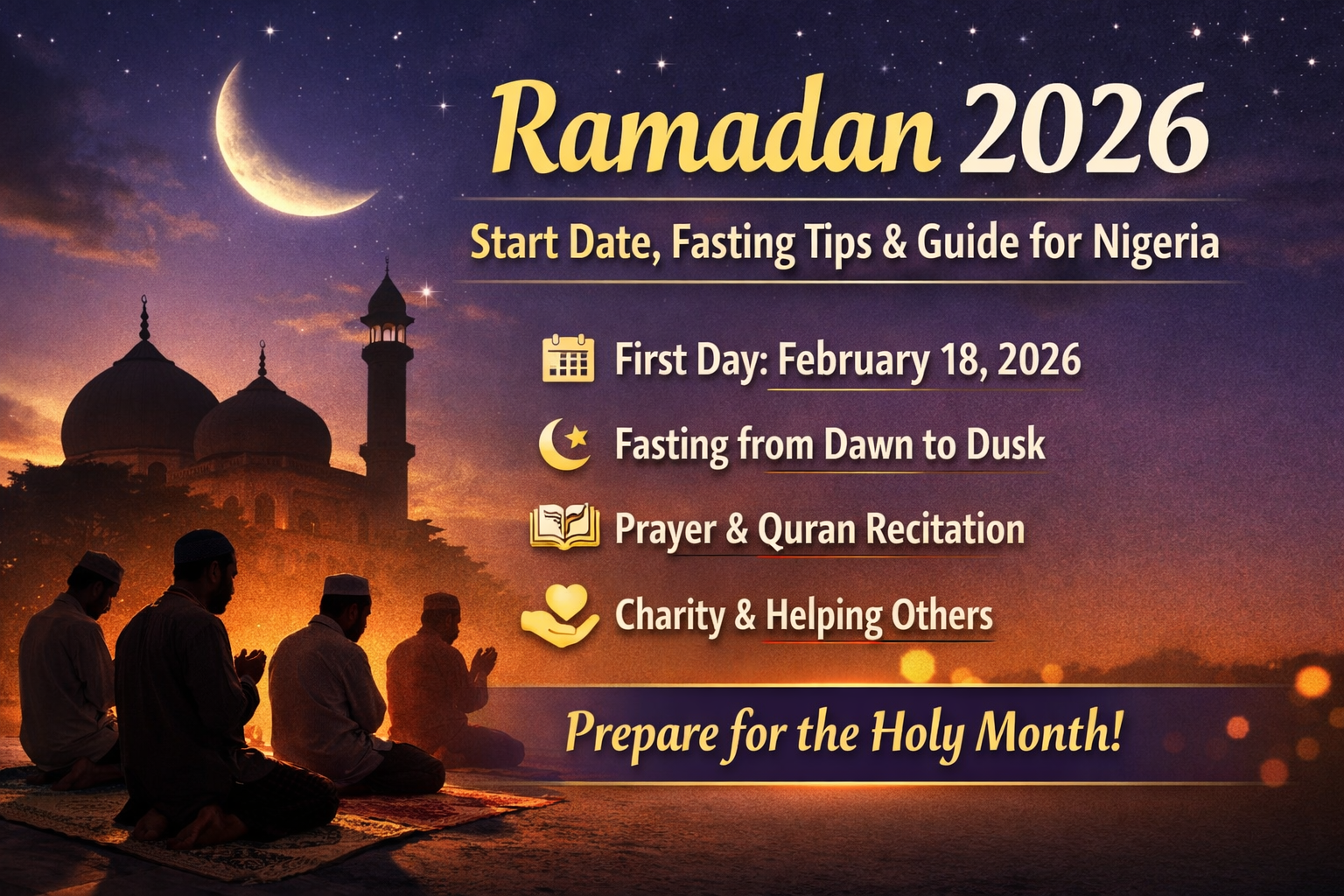
Muslims around the world are preparing to observe the holy month of Ramadan, following the official sighting of the crescent moon in Saudi Arabia. The announcement confirms that the first day of fasting will begin on Wednesday, 18 February 2026, for many Islamic countries, including Nigeria, depending on local moon sightings.
How the Islamic Calendar Determines Ramadan
Ramadan is celebrated according to the Islamic lunar calendar, which relies on the observation of the crescent moon to mark the beginning of each month. Islamic nations, as well as countries with significant Muslim populations like Nigeria, traditionally depend on the testimony of observers who spot the new moon. This sighting officially signals the start of Ramadan and the commencement of daily fasting.
In Saudi Arabia, authorities reported the crescent moon sighting for Ramadan 1447/2026 on Tuesday, 17 February 2026. Following this, the Taraweeh prayers, which are special nightly prayers performed during Ramadan, will begin at the Two Holy Mosques immediately after Isha prayers. In Nigeria and other African countries, the first day of Ramadan might be observed on either 18 or 19 February 2026, depending on whether the new moon is visible locally.
What Ramadan Entails
Ramadan is a sacred month of devotion, prayer, and reflection. Observant Muslims fast from dawn to sunset each day, abstaining from food and drink as a demonstration of spiritual discipline. The fast serves as a reminder of the struggles faced by the less fortunate and encourages empathy, patience, and self-control.
Fasting during Ramadan is generally expected from adults who are physically and mentally capable, while children, the elderly, pregnant women, travelers, and those who are unwell are exempt from strict fasting. This ensures that the practice remains safe and meaningful for everyone.
Muslims usually consume two main meals during fasting days:
- Sahoor – a pre-dawn meal before the day’s fast begins
- Iftar – the meal to break the fast immediately after sunset
Beyond abstaining from food and drink, Ramadan encourages believers to improve their character and engage in acts of kindness, reflection, and worship. It is a time to strengthen family ties, support the community, and renew one’s connection with God through prayer and reading the Quran.
Key Practices During Ramadan
The month of Ramadan is not only about fasting but also about cultivating spiritual and social awareness. Here are some important practices that guide the faithful:
- Regular Prayers and Quranic Reading
Muslims increase their engagement in daily prayers and often dedicate additional time to reciting and reflecting on the Quran. Taraweeh prayers, held nightly, provide an opportunity for communal worship and spiritual growth. - Charity and Helping Others
Ramadan emphasizes generosity and compassion. Believers are encouraged to support the needy, provide food for the hungry, and engage in community service. This act of giving reinforces empathy and reminds Muslims of their social responsibilities. - Self-Discipline and Moral Conduct
Observers strive to refrain from negative behaviors such as gossip, anger, dishonesty, and other harmful actions. Ramadan is a time to cleanse the mind and heart, cultivating patience, humility, and forgiveness. - Avoiding Certain Activities During Fasting
To maintain the sanctity of fasting, Muslims generally avoid:- Eating or drinking during daylight hours
- Holding grudges or seeking revenge
- Chewing gum or smoking
- Listening to loud music that may distract from reflection
- Wasting time on trivial pursuits instead of spiritual growth
These practices are intended to nurture a mindset of mindfulness, compassion, and gratitude.
The Spiritual Significance of Ramadan
For Muslims, Ramadan is much more than abstaining from food and drink—it is a period of self-reflection, devotion, and spiritual renewal. Fasting is seen as a way to strengthen faith, improve self-control, and gain closeness to God. The month also provides an opportunity to cultivate virtues such as patience, empathy, humility, and gratitude.
Many families come together during this month, sharing meals and engaging in acts of worship collectively. Ramadan encourages believers to slow down, appreciate the blessings in their lives, and focus on personal growth and community well-being.
Health and Wellness During Ramadan
Fasting, when done correctly, can offer health benefits, including improved metabolism, better digestion, and increased self-discipline regarding dietary habits. However, it is important to eat balanced meals during Sahoor and Iftar, including hydration and nutrients to maintain energy throughout the day.
Vulnerable groups such as children, the elderly, pregnant women, and individuals with medical conditions should follow medical guidance and may adjust their fasting as needed.
Ramadan Around the World
Although the start of Ramadan may vary depending on local moon sightings, the essence of the month remains universal. Across Africa, the Middle East, Asia, Europe, and the Americas, Muslims unite in prayer, fasting, and charity, creating a shared sense of spiritual purpose. The communal aspects of Ramadan foster solidarity, understanding, and support among believers, regardless of their location.
In Nigeria, as in many African countries, communities look forward to the month as a time of reflection and togetherness, balancing religious observance with social cohesion and family life. Mosques and Islamic centers prepare for increased attendance at prayer sessions, and households plan meals carefully to ensure proper nourishment during fasting hours.
Conclusion
The sighting of the crescent moon in Saudi Arabia marks the official beginning of Ramadan 2026, signaling a month of spiritual devotion, self-discipline, and communal harmony. For Muslims worldwide, this sacred period is a time to renew faith, practice compassion, and strengthen family and community ties. Whether observed on 18 or 19 February 2026 in different regions, Ramadan remains a profound reminder of the values of patience, generosity, and mindfulness.
As believers prepare for this holy month, the focus will be on prayer, reflection, charity, and self-improvement, making Ramadan an essential pillar of Islamic life and culture.
Frequently Asked Questions (FAQ) About Ramadan 2026
1. When does Ramadan 2026 start?
The first day of Ramadan 2026 is expected to be Wednesday, 18 February 2026 in most countries, including Nigeria, depending on local moon sightings.
2. How long does Ramadan last?
Ramadan lasts 29 or 30 days, based on the lunar calendar, ending with the celebration of Eid al-Fitr.
3. Who should fast during Ramadan?
Adults who are healthy and able to fast should participate. Children, the elderly, pregnant women, travelers, and those who are ill are exempt from fasting.
