
Everything You Should Know About Witr Prayer and Dua Qunoot
The Witr prayer holds a very special place in the daily worship of a Muslim. It is not just another prayer but a meaningful way to end the night with remembrance of Allah. Performed after the Isha prayer and before Fajr, Witr becomes the final act of worship before sleep. The word Witr itself means “odd,” which is why this prayer is always offered in an odd number of rakahs, such as one, three, five, or more.
For many Muslims, Witr prayer is a moment of peace after a long day. It helps the heart slow down, reconnect with Allah, and seek protection for the night ahead. Because it is directly connected to Isha, Witr naturally becomes part of a daily worship routine rather than an occasional act of devotion.
The importance of Witr prayer is clearly seen in the life of Prophet Muhammad ﷺ. He never missed this prayer, whether he was at home or traveling. His consistency teaches Muslims that Witr is not something to be taken lightly. By making Witr a habit, a believer ends the day with obedience, gratitude, and hope in Allah’s mercy.
What Is Witr Prayer in Islam?
Witr prayer is a night prayer that Muslims perform after completing Isha and before the time of Fajr begins. The defining feature of Witr is that it is always prayed in an odd number of rakahs. While one rakah is valid, most Muslims commonly pray three rakahs.
Islamic scholars have explained Witr as a prayer that completes the night worship. It acts like a seal, closing the day with remembrance of Allah. This is why many scholars emphasize that Witr should be the last prayer of the night whenever possible.
Prophet Muhammad ﷺ strongly encouraged Muslims to pray Witr regularly. Some schools of thought, such as the Hanafi school, consider it wajib (necessary), while others classify it as Sunnah Mu’akkadah (a highly emphasized Sunnah). Regardless of the ruling, all scholars agree that leaving Witr without reason means missing out on great reward.
When Muslims remain consistent with Witr prayer, they follow the Sunnah and strengthen their relationship with Allah. This consistency builds discipline, peace, and spiritual awareness in everyday life.
Importance of Witr Prayer in Islam
The Witr prayer carries deep spiritual importance. It allows Muslims to end their day with worship rather than distraction. After Isha, when the world becomes quiet, Witr offers a chance to reflect, seek forgiveness, and place trust in Allah.
Prophet Muhammad ﷺ prayed Witr every night and advised his companions not to neglect it. His teachings show that Witr is not only a prayer of reward but also a prayer of protection. The companions followed this practice closely, making Witr a regular part of their lives.
Islamic scholars highlight that whether Witr is considered necessary or strongly recommended, its reward is immense. Through Witr, a believer strengthens faith, develops humility, and seeks Allah’s guidance before resting.
Parents who teach their children the habit of Witr from a young age help build a strong foundation of worship. Platforms like Quranadept, which focus on structured Islamic learning, often encourage families to understand and practice essential prayers like Witr with proper guidance.
How to Pray Witr Prayer Step by Step
Witr prayer is simple, yet powerful. Muslims pray it after Isha and before Fajr, usually as three rakahs.
Step 1: Make the intention
Begin by making a sincere intention in your heart to pray Witr for the sake of Allah. Intention brings focus and sincerity to your prayer.
Step 2: Pray the first two rakahs
Stand and recite Surah Al-Fatiha followed by another surah. Complete the rakah with ruku and sujood, then repeat the same steps in the second rakah.
Step 3: Sit for tashahhud
After the second rakah, sit and recite tashahhud, but do not say salam yet.
Step 4: Pray the third rakah and recite Dua Qunoot
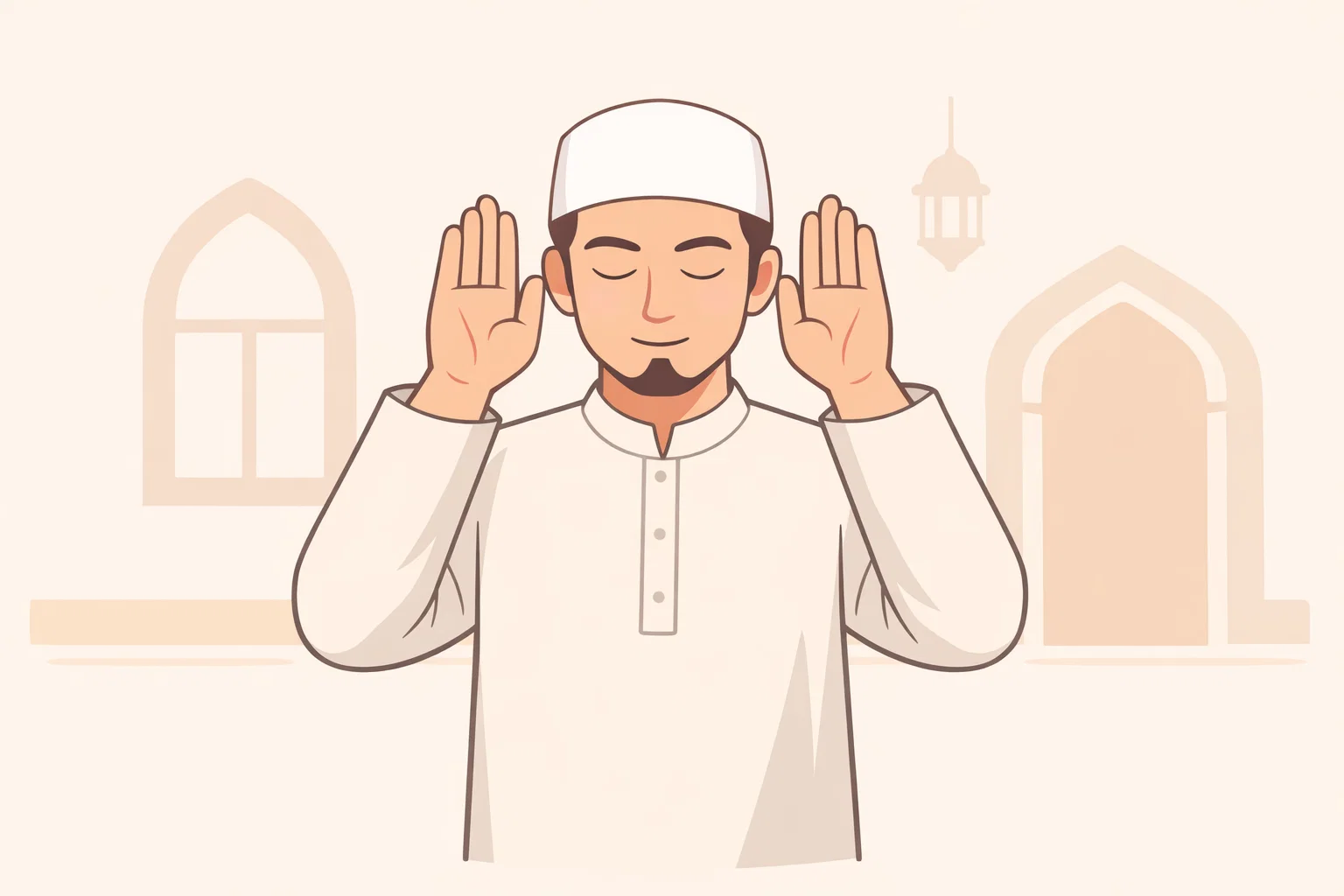
Stand for the third rakah, recite Al-Fatiha and another surah. Then raise your hands, say Allahu Akbar, and recite Dua Qunoot before going into ruku.
Step 5: Complete the prayer
Finish the prayer with ruku, sujood, final tashahhud, and salam.
Muslims who pray more than three rakahs usually pray in sets of two and end with one rakah, ensuring the total remains odd.How to Pray Witr Prayer Step by Step
Witr prayer is simple, yet powerful. Muslims pray it after Isha and before Fajr, usually as three rakahs.
Dua Qunoot in Witr Prayer
Dua Qunoot is a special supplication recited in the final rakah of Witr prayer. It reflects humility, dependence on Allah, and a sincere request for guidance, forgiveness, and protection.
You recite Dua Qunoot after completing the recitation in the last rakah and before ruku. This practice follows the Sunnah of Prophet Muhammad ﷺ, who taught it to his companions.
By reciting Dua Qunoot regularly, Muslims develop a stronger emotional and spiritual connection with Allah. It reminds believers that help, mercy, and protection come only from Him.
Dua Qunoot
اللَّهُمَّ إِنَّا نَسْتَعِينُكَ وَنَسْتَغْفِرُكَ وَنُؤْمِنُ بِكَ وَنَتَوَكَّلُ عَلَيْكَ وَنُثْنِي عَلَيْكَ الْخَيْرَ وَنَشْكُرُكَ وَلَا نَكْفُرُكَ وَنَخْلَعُ وَنَتْرُكُ مَنْ يَفْجُرُكَ اللَّهُمَّ إِيَّاكَ نَعْبُدُ وَلَكَ نُصَلِّي وَنَسْجُدُ وَإِلَيْكَ نَسْعَى وَنَحْفِدُ وَنَرْجُو رَحْمَتَكَ وَنَخْشَى عَذَابَكَ إِنَّ عَذَابَكَ بِالْكُفَّارِ مُلْحِقٌ
O Allah! We beg help from You alone; ask forgiveness from You alone, and turn towards You and praise You for all the good things and are grateful to You and are not ungrateful to You and we part and break off with all those who are disobedient to you
Difference Between Witr Prayer and Tahajjud Prayer
Although both Witr and Tahajjud are night prayers, they serve different purposes.
Witr prayer is offered after Isha and must end with an odd number of rakahs. It is meant to be the final prayer of the night and is strongly emphasized in Islam.
Tahajjud, on the other hand, is a voluntary prayer prayed after sleeping for a portion of the night. There is no fixed number of rakahs for Tahajjud, and it carries immense reward.
Muslims who pray Tahajjud should finish their night worship with Witr. In this way, they combine both prayers and follow the Sunnah correctly.
Benefits of Witr Prayer for a Muslim
The benefits of Witr prayer extend beyond spiritual reward. It brings peace to the heart, discipline to worship, and consistency in daily life.
Witr ensures that even if a person does not wake up for Tahajjud, they still complete their night worship. It strengthens closeness to Allah and helps believers seek forgiveness daily.
Through Dua Qunoot, Muslims ask for guidance, protection, and mercy. This daily habit builds hope and trust in Allah, reducing stress and spiritual emptiness.
Children who grow up learning Witr prayer develop a strong connection with Salah. Educational platforms like Quranadept play an important role in teaching these practices in a simple and engaging way.
Common Mistakes in Witr Prayer
One common mistake is skipping Witr entirely. Prophet Muhammad ﷺ never missed it, making it clear that Muslims should not neglect this prayer.
Another mistake is confusing Witr with Tahajjud or ending Witr with an even number of rakahs. Some also forget or incorrectly recite Dua Qunoot.
Avoiding these mistakes helps Muslims perform Witr correctly and gain its full reward.
Hadith About Witr Prayer
The Prophet ﷺ said:
“Make Witr your last prayer at night.”
(Sahih al-Bukhari, Sahih Muslim)
This hadith alone shows the importance of Witr in a Muslim’s life.
Conclusion
Witr prayer is a powerful way to complete daily worship and end the night with remembrance of Allah. It strengthens faith, brings peace, and connects the heart with divine mercy. By following the Sunnah of Prophet Muhammad ﷺ and praying Witr consistently, Muslims gain both spiritual and personal benefits.
Whether you are learning yourself or teaching your children, understanding Witr prayer is essential. With proper guidance from platforms like Quranadept, Muslims of all ages can learn to pray correctly, build strong habits, and grow closer to Allah—one prayer at a time.
Want to learn Islamic prayers with proper guidance?
👉 Join QuranAdept’s online Quran and Salah courses and strengthen your connection with Allah—one prayer at a time.
Also Know:
8 Recommended Duas to Read Before Sleeping at Night
Understanding the Spiritual Significance of the 27th Night of Rajab
Essential Duas for Daily Life – Everyday Prayers for Protection & Guidance
Islam in the Modern Era: What You Need to Know
Importance of Jumu’ah in Islam: How Friday Brings Divine Blessings