AI Voice Recites Quran – Is It Permissible in Islam? Scholars Respond to a Growing Global Debate
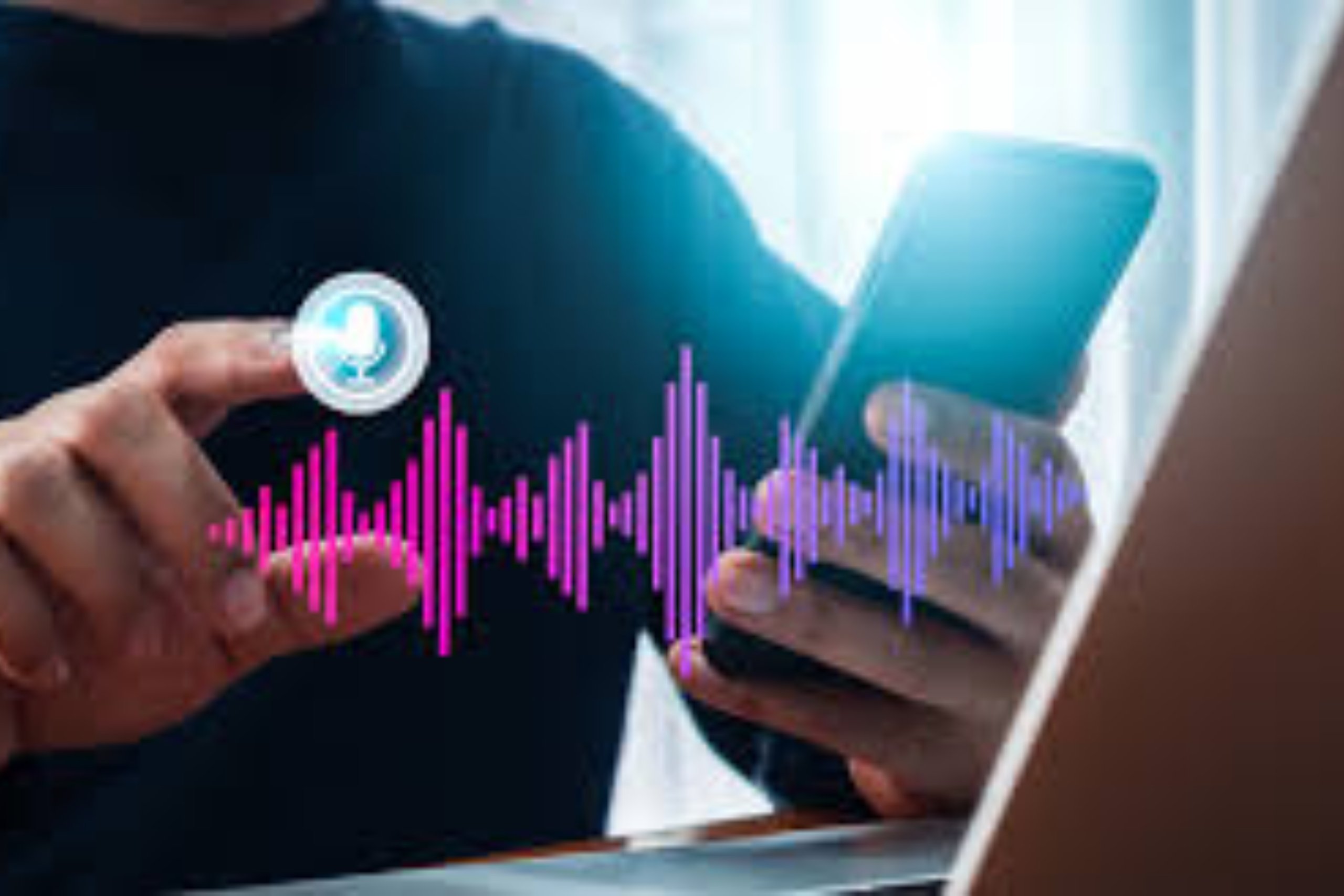
In recent months, a new trend has quietly sparked intense discussion across Muslim communities worldwide: AI-generated voices reciting the Holy Quran. From mobile apps and YouTube videos to experimental AI assistants, artificial intelligence is now capable of producing Quranic recitation that sounds remarkably human.
For many Muslims, this development brings mixed emotions. Some see it as a technological convenience that helps people listen to the Quran anytime, anywhere. Others raise serious concerns about authenticity, respect, misuse, and Islamic permissibility.
As AI continues to expand into religious spaces, scholars, technologists, and everyday Muslims are asking the same critical question:
Is it permissible for AI to recite the Quran, or does this cross a red line in Islam?
This article explores the issue in depth, drawing from scholarly discussions, recent global developments, and ethical concerns — answering the most common questions Muslims are asking today.
Why AI Quran Recitation Is Suddenly Trending
The debate did not emerge in isolation. It gained momentum due to several recent developments:
- AI voice cloning tools becoming widely available
- AI-generated religious content circulating on social media
- Scholars warning about deepfake misuse of Islamic voices
- Tech-driven Muslim projects experimenting with AI learning tools
In countries like Malaysia, AI-powered religious avatars have already triggered public debate. Meanwhile, Muslim audiences in the USA, UK, and Middle East are encountering AI-generated Quran recitations through apps, reels, and AI assistants.
What was once a futuristic idea is now a real-world religious concern.
What Does “AI Quran Recitation” Actually Mean?
Before ruling anything halal or haram, it’s important to understand what AI recitation involves.
AI Quran recitation usually works in one of these ways:
- Synthetic Voice Models
AI generates a voice that sounds human but is not copied from a real person. - Cloned Human Voices
AI is trained on recordings of a real Qari (reciter) and reproduces their voice. - Text-to-Speech Quran Audio
AI reads Quranic text aloud using programmed pronunciation rules.
Each method raises different Islamic considerations, which scholars emphasize must be addressed separately.
Is AI Allowed to Recite the Quran in Islam?
Scholars generally agree on one key principle:
Technology itself is neutral in Islam. Its ruling depends on how it is used.
There is no explicit verse in the Quran or Hadith that prohibits technological reproduction of sound. However, Islamic rulings depend on intention, accuracy, respect, and consequences.
Most scholars divide the discussion into permissible use and problematic use.
When AI Quran Recitation May Be Permissible
According to contemporary scholarly discussions, AI-generated Quran recitation may be allowed under specific conditions:
Accuracy Is Guaranteed
The pronunciation (makharij), tajweed rules, and wording must be correct. Any distortion of Allah’s words is unacceptable.
No Deception Involved
Listeners must be clearly informed that the recitation is AI-generated, not a real human Qari.
Educational or Accessibility Purpose
AI recitation can be helpful for:
- Learning pronunciation
- Assisting visually impaired users
- Teaching children or new Muslims
- Supplementing Quran learning apps
No Disrespect or Commercial Exploitation
The Quran must not be used as background entertainment, parody, or for misleading profit.
When these conditions are met, many scholars view AI recitation as a tool, not an act of worship in itself.
When AI Quran Recitation Becomes Problematic
Scholars raise serious concerns in the following cases:
Voice Cloning Without Permission
Using a real Qari’s voice without consent is considered unethical and potentially sinful.
Deepfake Religious Content
Fake sermons or recitations attributed to scholars can mislead millions — a major moral violation.
Replacing Human Worship
AI cannot replace human recitation during Salah, Tarawih, or acts of ibadah.
Distortion of Sacred Context
Using Quran recitation for entertainment, trends, or viral content is widely condemned.
Many scholars warn that normalizing AI voices in sacred spaces could weaken reverence for the Quran over time.
Does AI Recitation Carry Spiritual Reward (Sawab)?
This is one of the most frequently asked questions.
The majority scholarly view is clear:
AI does not receive reward, and listeners do not receive the same reward as listening to a human reciter with intention of worship.
Reward in Islam is tied to:
- Human intention (niyyah)
- Conscious recitation
- Personal effort and humility
AI is a machine. It has no intention, faith, or accountability. Therefore, AI recitation is considered informational, not devotional.
Can AI Be Used for Quran Learning?
Many scholars see educational value in controlled AI usage.
AI tools can assist with:
- Pronunciation correction
- Tajweed feedback
- Quran memorization support
- Learning pace customization
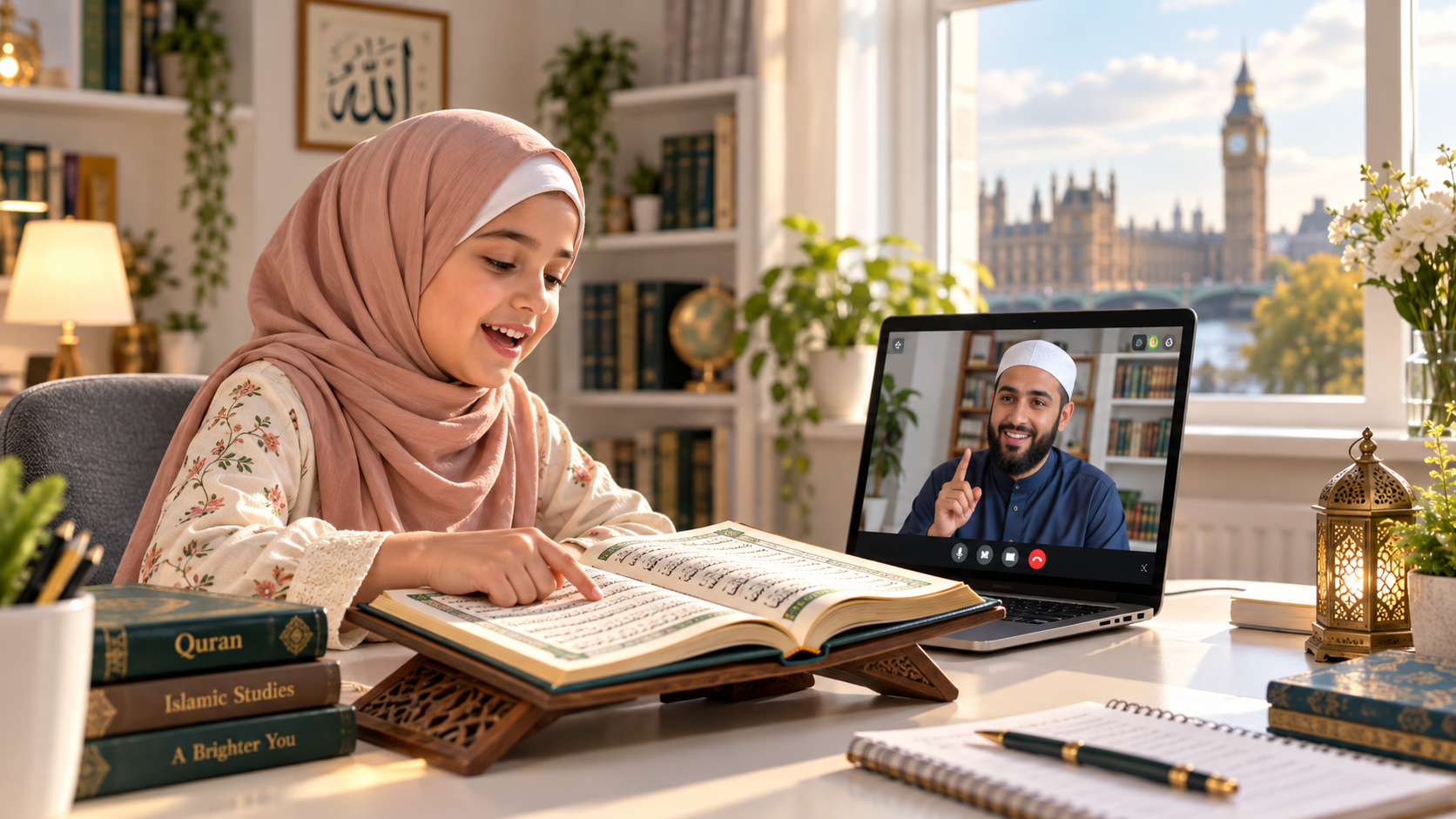
However, scholars strongly advise that AI should assist teachers, not replace them. Human guidance remains essential in Quranic education.
Why Scholars Are Warning the Muslim Community
Several prominent scholars have publicly cautioned Muslims about AI misuse, especially deepfakes.
Their warnings focus on:
- Fake fatwas generated using cloned voices
- AI sermons falsely attributed to scholars
- Loss of trust in authentic religious sources
This concern is particularly strong in Western Muslim communities, where digital content spreads rapidly and verification is often overlooked.
Global Muslim Response So Far
- Southeast Asia: Public debate and caution around AI preachers
- Middle East: Focus on ethical AI frameworks
- USA & UK: Rising concern among Muslim educators and parents
- Online Communities: Increased demand for verified Islamic content
Rather than rejecting technology outright, scholars emphasize responsible adoption.
Key Islamic Principles Applied to AI Quran Recitation
Islamic jurisprudence applies timeless principles to modern issues:
- Preservation of the Quran
- Prevention of harm (Sadd al-Dhara’i)
- Honesty and transparency
- Respect for sacred matters
Any AI tool violating these principles faces strong opposition.
What Muslims Should Do Going Forward
Scholars advise Muslims to:
- Verify Quranic content sources
- Avoid untrusted AI religious apps
- Support authentic Quran education
- Use AI only as a learning aid, not worship replacement
- Teach children the difference between real and artificial recitation
Final Verdict: Is AI Quran Recitation Permissible?
There is no simple yes or no.
AI recitation may be permissible as an educational or accessibility tool
It is not a replacement for human worship or recitation
Misuse, deception, and disrespect are strongly condemned
As AI continues to evolve, Islamic scholarship will continue to guide its ethical use — ensuring that technology serves faith, not replaces it.
A Thoughtful Reminder
- The Quran is not just sound — it is revelation, worship, and guidance.
- No machine can replace the spiritual connection between a believer and the words of Allah.
Why Choose QuranAdept for Ramadan Preparation?
- Online Quran classes for kids & adults
- Qualified male & female Quran teachers
- Flexible class timings for Ramadan routine
- Focus on Quran recitation, Tajweed & understanding
- One-on-one personalized learning sessions
- This Ramadan, don’t just prepare to fast—prepare to grow closer to Allah through the Quran.
Get in touch with QuranAdept today and take the first step toward a more meaningful, spiritually rewarding Ramadan 2026