Halal Food in Islam Explained: Meaning, Rules, and What Muslims Must Avoid
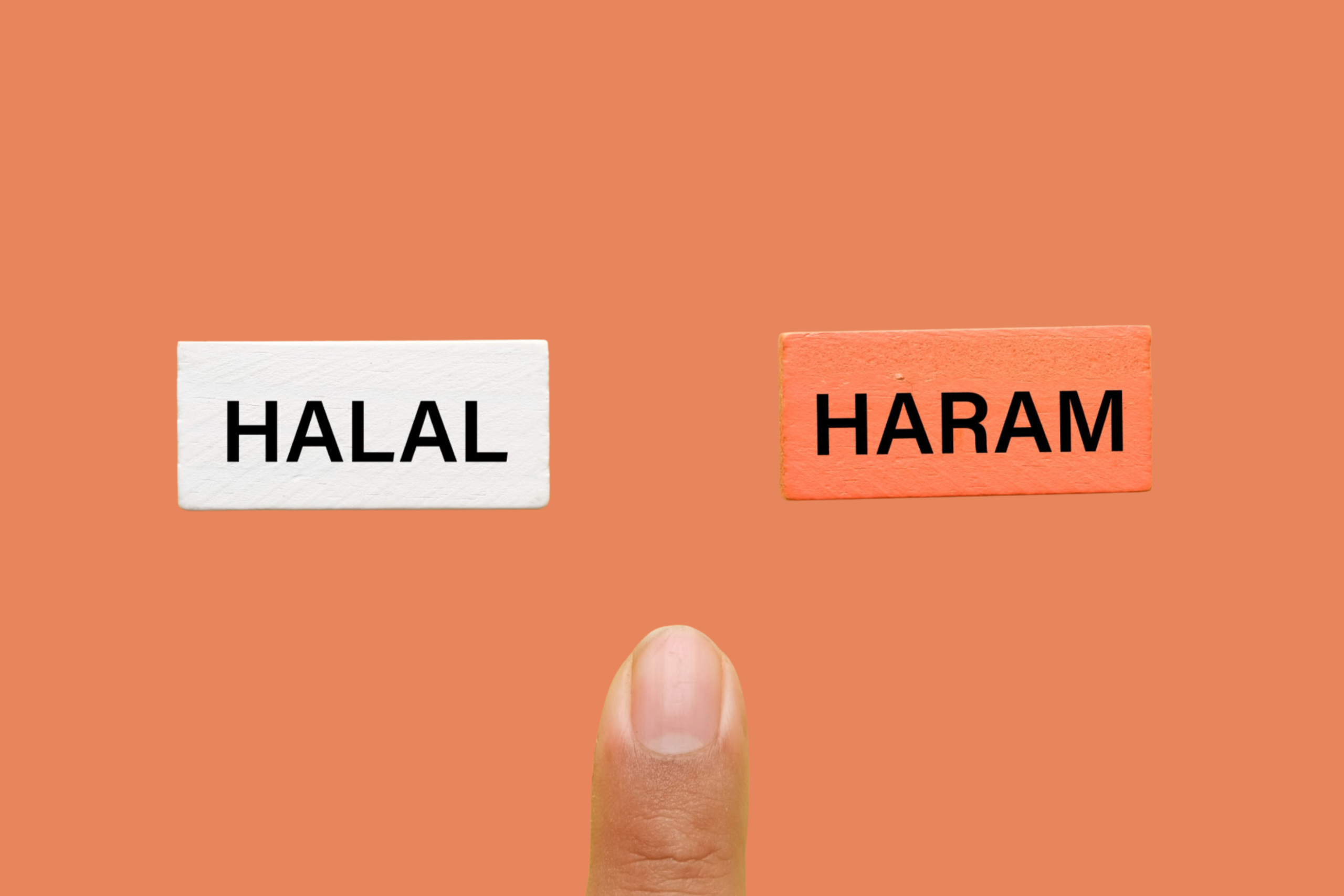
What is halal food in Islam? It refers to food that is lawful and permitted under Islamic teachings. However, halal is not limited to avoiding pork or alcohol. It also includes how food is prepared, handled, stored, and served. From ingredients to slaughter methods, Islam provides clear guidance to protect faith, health, and moral discipline.
In today’s world of processed and packaged foods, many Muslims struggle to identify what is truly halal. Understanding the basics of halal food helps Muslims eat with confidence, clarity, and spiritual peace. This complete guide explains halal food rules simply, clearly, and accurately.
Meaning of Halal
Halal is an Arabic word meaning permissible or lawful. In Islam, it refers to anything allowed under Shariah, based on the Quran and the teachings of Prophet Muhammad ﷺ. When it comes to food, halal defines what Muslims are allowed to eat and how it must be prepared.
Definition of Halal Food in Islam
Halal food in Islam is any food that Allah has permitted through the Quran and Sunnah. It excludes pork, alcohol, blood, and meat not slaughtered according to Islamic guidelines. Halal is not limited to ingredients alone—it also includes cleanliness, preparation, handling, and ethical sourcing.
Animals must be lawful, healthy, and slaughtered with Allah’s name mentioned. Blood must be fully drained, and contamination with haram substances must be avoided. Fish and seafood are halal by default, while vegetarian food is halal only if it contains no forbidden additives.
Thus, halal food protects faith, health, and trust together, allowing Muslims to eat with certainty rather than doubt.
Islam clearly defines foods that are haram (forbidden) to protect physical health, mental clarity, and spiritual discipline.
Foods That Are Haram in Islam
- Pork and its by-products (including gelatin and fat)
- Alcohol and intoxicants in any amount
- Dead animals (carrion)
- Flowing blood
- Animals slaughtered without Allah’s name
- Carnivorous animals with fangs and birds with talons
- Substances proven harmful to health
These boundaries ensure Muslims eat with discipline, awareness, and faith.
Quran Verses About Forbidden Foods
Allah clearly defines forbidden foods so Muslims follow guidance without confusion.
إِنَّمَا حَرَّمَ عَلَيۡكُمُ ٱلۡمَيۡتَةَ وَٱلدَّمَ وَلَحۡمَ ٱلۡخِنزِيرِ وَمَآ أُهِلَّ بِهِۦ لِغَيۡرِ ٱللَّهِۖ فَمَنِ ٱضۡطُرَّ غَيۡرَ بَاغٖ وَلَا عَادٖ فَلَآ إِثۡمَ عَلَيۡهِۚ إِنَّ ٱللَّهَ غَفُورٞ رَّحِيمٌ.
Translation:
He has only forbidden to you carrion, blood, the flesh of swine, and that which has been dedicated to other than Allah..
Surah Al-Baqarah (2:173)
حُرِّمَتۡ عَلَيۡكُمُ ٱلۡمَيۡتَةُ وَٱلدَّمُ وَلَحۡمُ ٱلۡخِنزِيرِ وَمَآ أُهِلَّ لِغَيۡرِ ٱللَّهِ بِهِۦ وَٱلۡمُنۡخَنِقَةُ وَٱلۡمَوۡقُوذَةُ وَٱلۡمُتَرَدِّيَةُ وَٱلنَّطِيحَةُ وَمَآ أَكَلَ ٱلسَّبُعُ إِلَّا مَا ذَكَّيۡتُمۡ وَمَا ذُبِحَ عَلَى ٱلنُّصُبِ وَأَن تَسۡتَقۡسِمُواْ بِٱلۡأَزۡلَٰمِۚ ذَٰلِكُمۡ فِسۡقٌۗ ٱلۡيَوۡمَ يَئِسَ ٱلَّذِينَ كَفَرُواْ مِن دِينِكُمۡ فَلَا تَخۡشَوۡهُمۡ وَٱخۡشَوۡنِۚ ٱلۡيَوۡمَ أَكۡمَلۡتُ لَكُمۡ دِينَكُمۡ وَأَتۡمَمۡتُ عَلَيۡكُمۡ نِعۡمَتِي وَرَضِيتُ لَكُمُ ٱلۡإِسۡلَٰمَ دِينٗاۚ فَمَنِ ٱضۡطُرَّ فِي مَخۡمَصَةٍ غَيۡرَ مُتَجَانِفٖ لِّإِثۡمٖ فَإِنَّ ٱللَّهَ غَفُورٞ رَّحِيمٞ
Translation:
Prohibited to you are dead animals, blood, the flesh of swine, and that which has been dedicated to other than Allah, and [those animals] killed by strangling or by a violent blow or by a head-long fall or by the goring of horns, and those from which a wild animal has eaten, except what you [are able to] slaughter [before its death], and those which are sacrificed on stone altars, and [prohibited is] that you seek decision through divining arrows. That is grave disobedience. This day those who disbelieve have despaired of [defeating] your religion; so fear them not, but fear Me. This day I have perfected for you your religion and completed My favor upon you and have approved for you Islam as religion. But whoever is forced by severe hunger with no inclination to sin – then indeed, Allah is Forgiving and Merciful.
Surah Al-Ma’idah (5:3)
Forbidden to you are dead animals, blood, the flesh of swine, and that which has been sacrificed to other than Allah.
قُل لَّآ أَجِدُ فِي مَآ أُوحِيَ إِلَيَّ مُحَرَّمًا عَلَىٰ طَاعِمٖ يَطۡعَمُهُۥٓ إِلَّآ أَن يَكُونَ مَيۡتَةً أَوۡ دَمٗا مَّسۡفُوحًا أَوۡ لَحۡمَ خِنزِيرٖ فَإِنَّهُۥ رِجۡسٌ أَوۡ فِسۡقًا أُهِلَّ لِغَيۡرِ ٱللَّهِ بِهِۦۚ فَمَنِ ٱضۡطُرَّ غَيۡرَ بَاغٖ وَلَا عَادٖ فَإِنَّ رَبَّكَ غَفُورٞ رَّحِيمٞ
Translation:
Say, “I do not find within that which was revealed to me [anything] forbidden to one who would eat it unless it be a dead animal or blood spilled out or the flesh of swine – for indeed, it is impure – or it be [that slaughtered in] disobedience, dedicated to other than Allah. But whoever is forced [by necessity], neither desiring [it] nor transgressing [its limit], then indeed, your Lord is Forgiving and Merciful.”
Surah Al-An‘am (6:145)
I do not find anything forbidden to eat except carrion, flowing blood, the flesh of swine, or that slaughtered in disobedience to Allah.
These verses establish the foundation of halal and haram food in Islam.
Halal Slaughter Rules (Dhabihah)
Halal slaughter (Dhabihah) follows strict Islamic principles that ensure mercy, cleanliness, and respect for life.
Core Rules of Dhabihah
- The animal must be lawful, healthy, and alive
- Allah’s name (Tasmiyah) must be mentioned
- A sharp blade must cut the throat swiftly
- Blood must drain completely
- The process must avoid cruelty or unnecessary pain
Halal slaughter balances compassion with discipline, ensuring food purity from source to plate.
Halal vs Non-Halal
| Aspect | Halal Food | Non-Halal Food |
|---|---|---|
| Slaughter | Allah’s name mentioned | No valid mention |
| Blood | Fully drained | Blood remains |
| Ingredients | Lawful & clean | Contains haram items |
| Handling | No contamination | Cross-contaminated |
Summary
Understanding what is halal food in Islam helps Muslims make confident daily choices aligned with faith and health. Halal food is not only about what we eat, but how it is sourced, prepared, and consumed. Learning these rules removes doubt, strengthens worship, and builds spiritual clarity in everyday life.
Want to Learn Islam With Clarity?
Explore Quranadept for authentic Islamic guidance, in-depth articles, and practical knowledge rooted in the Quran and Sunnah. Stay connected with daily Islamic learning that strengthens faith and understanding.
Email: info@quranadept.com