Zohran Mamdani’s Historic Quran Oath and the Meaning of Faith in Islam
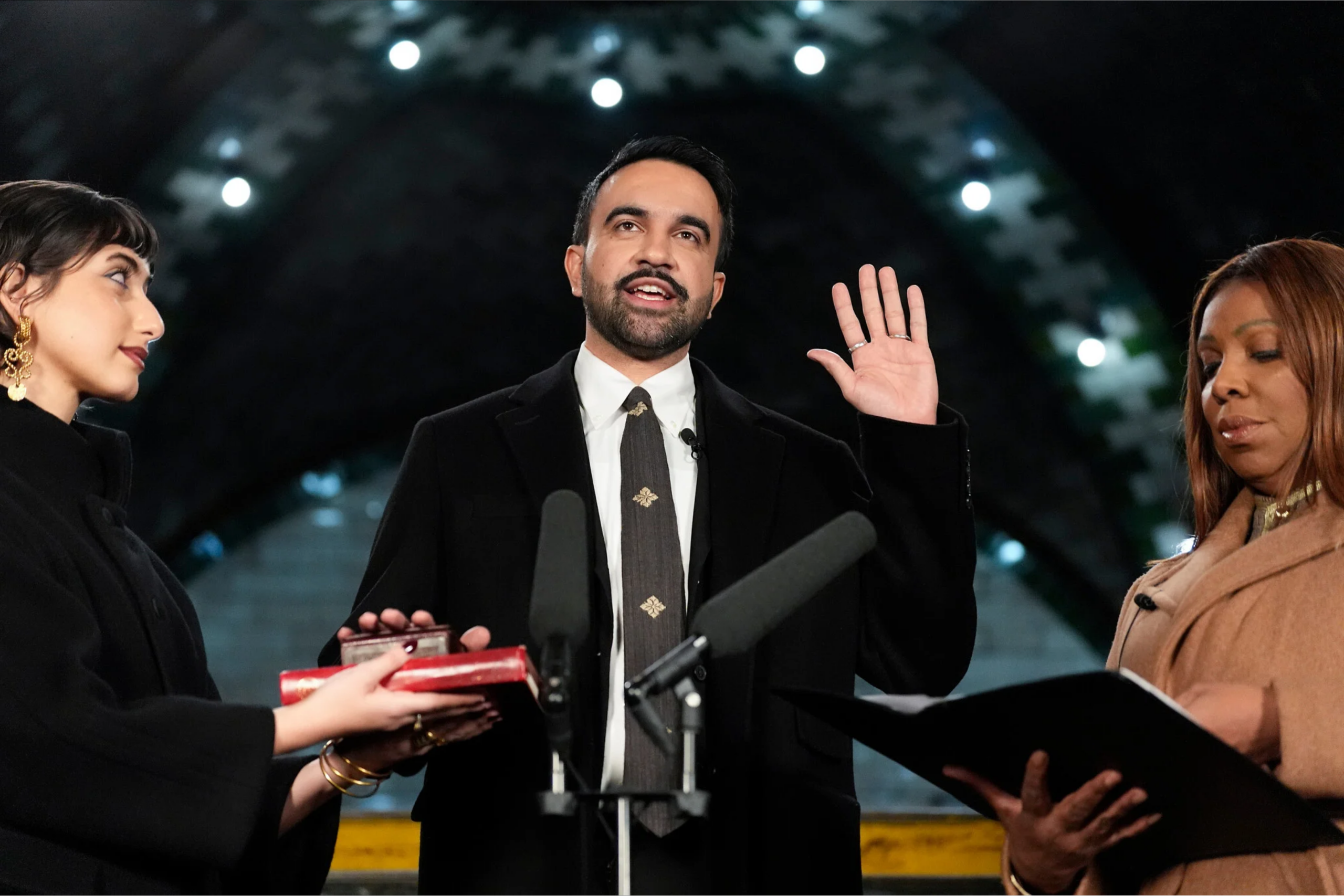
NEW YORK — Incoming Mayor Zohran Mamdani is set to take his midnight oath of office using a centuries-old Quran, a moment that marks a powerful and historic milestone for New York City. It will be the first time in the city’s history that a mayor is sworn in on Islam’s holy book.
At just 34 years old, Mamdani will assume office in a long-closed subway station beneath City Hall, becoming the first Muslim, first South Asian, and first African-born individual to serve as mayor of the nation’s most populous city.
According to a scholar involved in the selection process, the Quran chosen for the ceremony — along with Mamdani’s historic rise — reflects the deep-rooted presence and contributions of Muslim communities across New York City.
While most previous mayors have taken their oath on a Bible, the law does not require any religious text to be used. The oath itself is a pledge to uphold the federal, state, and city constitutions.
Throughout his campaign, Mamdani focused heavily on affordability and everyday economic challenges. At the same time, he spoke openly about his Muslim faith, frequently visiting mosques across all five boroughs. His outreach helped mobilize many first-time South Asian and Muslim voters.
The Qurans Chosen for the Ceremony
During the midnight ceremony, Mamdani will place his hand on two Qurans: one that belonged to his grandfather, and a small pocket-sized Quran dating back to the late 18th or early 19th century. The historic manuscript is part of a major research library’s collection dedicated to Black culture.
A curator of Middle Eastern and Islamic Studies explained that the manuscript represents both the diversity and long history of Muslims in New York.
“It may be small in size, but it carries deep meaning — bringing together faith, identity, and the city’s history,” she said.
For a second swearing-in ceremony at City Hall on New Year’s Day, Mamdani will use Qurans passed down from both his grandfather and grandmother, further emphasizing his family and cultural heritage.
A Quran With a Remarkable Journey
The historic Quran was collected by a renowned Black Puerto Rican historian whose work documented the global experiences of people of African descent. Scholars believe his interest in Islam stemmed from its historical connections to Black communities in both Africa and the United States.
Unlike ornate religious manuscripts created for royalty, this Quran is simple in design. It features a deep red cover with a modest floral pattern and is written in clear black and red ink. Its plain appearance suggests it was made for everyday reading, not ceremonial display.
“The real value of this Quran isn’t luxury — it’s accessibility,” the curator explained.
Because the manuscript is undated and unsigned, experts estimated its age by examining its binding and script. They believe it originated during the Ottoman period, likely from a region that includes present-day Syria, Lebanon, Israel, Palestine, and Jordan.
The Quran’s journey mirrors Mamdani’s own layered identity. He is a South Asian New Yorker born in Uganda, while his wife has American-Syrian roots.
- How To Teach Kids Ramadan Isn’t About Food

- The Importance Of Marriage In Islam.
- Five Groups Of People During Ramadan
- Understanding Umrah: A Spiritual Journey of Renewal and Devotion

- Names of Allah: Discovering Divine Attributes and Their Daily Impact

- The Power of Tawbah (Repentance): Returning to Allah with a Sincere Heart



Faith, Identity, and Public Debate
Mamdani’s rapid rise in politics has also brought increased scrutiny and a wave of Islamophobic rhetoric. In an emotional speech shortly before the election, he said the hostility only strengthened his resolve to openly embrace his faith.
“I will not change who I am, how I eat, or the faith I’m proud to call my own,” he said. “I will no longer look for myself in the shadows. I will find myself in the light.”
The decision to use a Quran has drawn criticism from some conservative figures, echoing similar controversies faced by Muslim public officials in the past. A civil-rights organization later highlighted that such reactions fit a broader pattern of anti-Muslim sentiment in American politics.
This is not without precedent. In 2006, the first Muslim elected to Congress also faced backlash for choosing a Quran during his ceremonial oath.
A Public Legacy
After the inauguration, the historic Quran will be placed on public display at a major New York library. Scholars hope the attention surrounding the ceremony will encourage people to explore the city’s rich Islamic history — from early 20th-century Arabic and Armenian music recordings to firsthand accounts documenting Islamophobia after September 11.
“This Quran was created for everyday readers,” the curator said. “Today, it belongs to everyone.”
Moments like this highlight how Islamic teachings — from the Quran’s references to reflection and knowledge, often discussed as Quran sciences, to values such as patience, justice, and compassion — continue to shape modern leadership. These principles echo the same ethics taught through daily Islamic practices, including the importance of Jummah (Yawmul Jumuah) and the moral guidance found in Surah Jumuah.
Want to Explore the Quran Beyond the Headlines?
At QuranAdept, we help you understand Islam in a practical and meaningful way. From the scientific perspectives of the Quran to Islamic habits that shape daily life, our platform offers well-researched and easy-to-understand content for everyone.
📌 We publish new Islamic blog posts daily, covering topics like:
- Scientific facts in the Quran
- Quran sciences explained simply
- Importance of Jummah and Surah Jumuah
- Good habits in Islam for modern life
Start including QuranAdept in your daily search and learning journey, and shape your life through authentic Islamic teachings.