Muslim Marriage Rules: A Comprehensive Guide for Men and Women
Marriage in Islam is more than a social contract; it is a sacred and spiritual union. It is regarded as half of one’s faith and serves as a cornerstone for building a moral, compassionate, and stable society. Marriage provides companionship, emotional support, and mutual understanding, creating the foundation for a balanced life. The Quran beautifully describes the purpose of marriage:
“And of His signs is that He created for you from yourselves mates that you may find tranquility in them, and He placed between you affection and mercy.”
(Surah Ar-Rum30:21)
This verse highlights the importance of love, mercy, and mutual respect in marriage, forming the basis of all Muslim marriage rules. Islam lays down clear guidelines for men and women to ensure fairness, dignity, and harmony in marital relationships.
Muslim Marriage Rules: What Every Muslim Should Know
Marriage in Islam is governed by specific rules for both men and women. These rules cover consent, rights, responsibilities, compatibility, and conduct before, during, and after marriage. Observing these rules is essential for a marriage to be recognized in Islam, protecting the interests of both partners and fostering spiritual and emotional growth.
Conditions for a Valid Marriage in Islam
For a marriage to be valid and recognized in Islam, several essential rules must be fulfilled:
- Mutual Consent
Both the bride and groom must willingly agree to the marriage. Any form of coercion is strictly prohibited. The Prophet Muhammad (peace be upon him) said:
“A woman without a husband (or divorced or a widow) must not be married until she is consulted, and a virgin must not be married until her permission is sought.”
(Sahih Muslim)
- Presence of Wali (Guardian)
A Wali, typically the father or male guardian of the bride, must oversee the marriage. This ensures the bride’s rights are protected and the marriage aligns with Islamic principles. - Two Witnesses
Islamic marriage rules require at least two adult Muslim witnesses to validate the contract publicly. This maintains transparency and accountability. - Mahr (Dowry)
The groom must give a Mahr to the bride as a symbol of respect, commitment, and financial security. The Quran commands:
“And give the women (upon marriage) their Mahr graciously.”
(Surah An-Nisa 4:4)
Rights and Responsibilities of Spouses
Islamic marriage rules ensure that both partners have clearly defined rights and responsibilities:
- Husband’s Responsibilities:
The husband is responsible for providing financially for his family, ensuring food, clothing, and shelter, as mentioned in Surah An-Nisa (4:34). He must protect and maintain his family with kindness and justice. - Wife’s Rights:
The wife has the right to be treated with respect, kindness, and fairness. She maintains control over her wealth and is not obliged to contribute financially unless she chooses. The Prophet Muhammad (peace be upon him) emphasized:
“The best of you are those who are best to their wives.”
(Riyad as-Salihin)
Mutual love, respect, and cooperation are central to Islamic marriage, forming the basis of a happy and peaceful home.
Compatibility in Marriage
Islam stresses the importance of compatibility between spouses. While love is vital, religious, cultural, and personal values compatibility ensures a strong foundation. The Prophet Muhammad (peace be upon him) advised:
“A woman is married for four things: her wealth, her lineage, her beauty, and her religion. So marry the religious woman.”
(Sahih Bukhari 5090)
Choosing a spouse with shared values, faith, and goals reduces conflicts and strengthens marital harmony.
The Nikah (Marriage Contract)
The Nikah is the formal agreement between the bride and groom and is integral to Muslim marriage rules. It is both a legal and spiritual bond. The Nikah includes:
- Offer and acceptance in the presence of witnesses
- Consent of both partners without coercion
- Flexibility to include mutually agreed conditions, as long as they do not contradict Islamic law
This ensures that the rights of both spouses are protected and respected.
Interfaith Marriages
Islamic rules allow Muslim men to marry women from the People of the Book (Christians and Jews), provided children are raised as Muslims. Muslim women, however, are not permitted to marry non-Muslim men, ensuring the family’s faith and values remain intact. All interfaith marriages must strictly adhere to Islamic principles.
Etiquette and Pre-Marriage Conduct
Islam emphasizes modesty and decorum before marriage:
- Engagement (Khutbah) should be respectful and involve families
- Avoid unnecessary interactions or casual dating
- Maintain modesty and lower gaze, as instructed in Surah An-Nur (24:30-31)
These guidelines prepare both individuals spiritually and emotionally for a lifelong commitment.
The Nikah Ceremony and Walima
The Nikah ceremony is simple, focusing on signing the marriage contract in front of witnesses. Afterward, it is Sunnah to host a Walima (wedding feast), reflecting community celebration and gratitude. The Prophet (peace be upon him) said:
“Give a wedding feast, even if it is with one sheep.”
(Sahih Bukhari)
Polygamy in Islam
Islam allows men to marry up to four wives, but only under strict conditions of justice and equality. The Quran states:
“But if you fear that you will not be just, then [marry only] one.”
(Surah An-Nisa 4:3)
Polygamy is not encouraged unless the husband can treat all wives fairly and equally in time, care, and finances.
Building a strong Islamic household begins with understanding marital rights, which ultimately lays the foundation for raising children with authentic Quranic values.
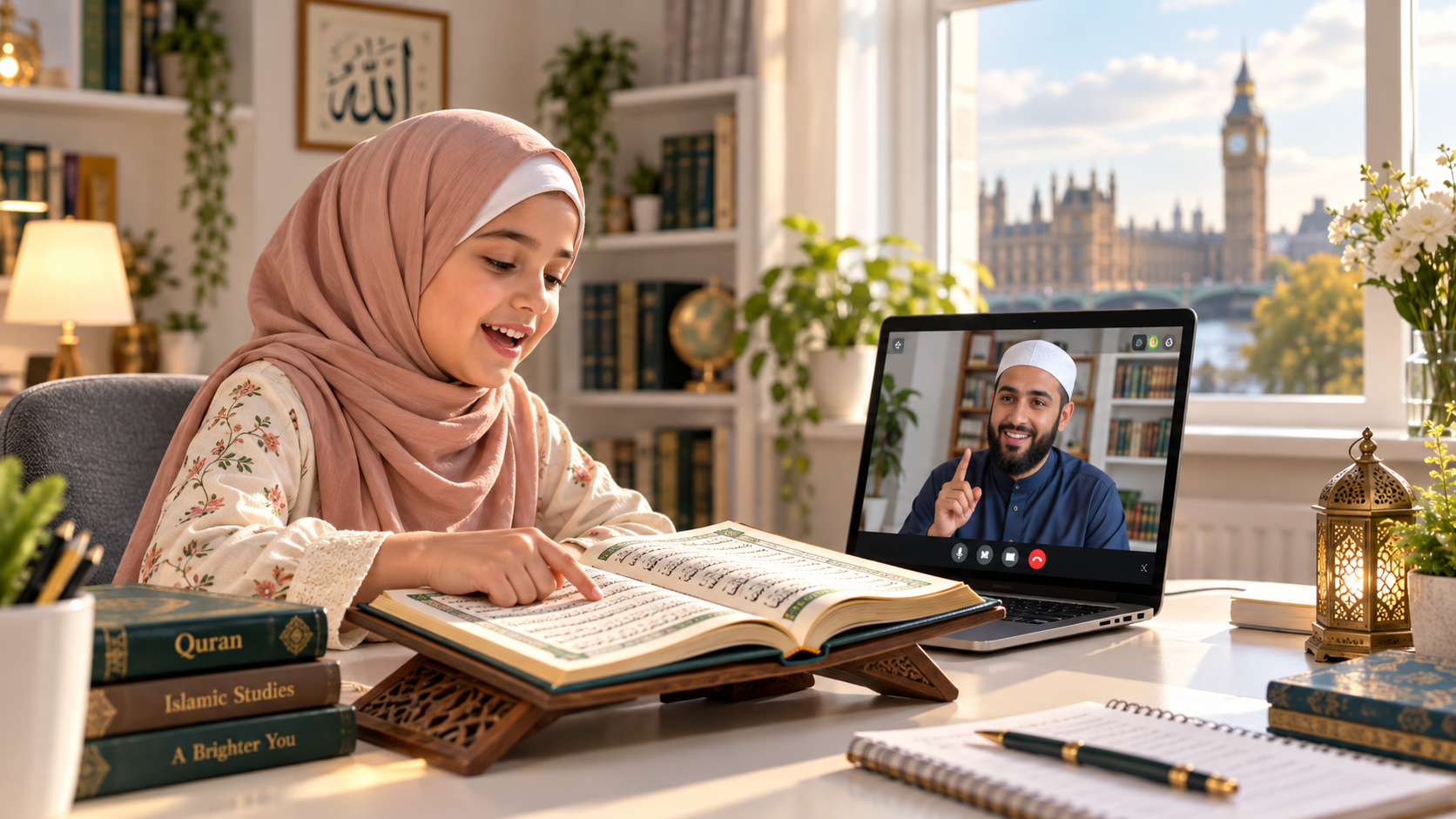
Ready to deepen your Quranic knowledge? Start your 3-Day Free Trial today!
Conclusion
Marriage in Islam is a sacred covenant governed by clear rules for men and women. These Muslim marriage rules, rooted in the Quran and Hadith, ensure fairness, love, respect, and spiritual growth. By following these guidelines, couples can build strong, harmonious, and lasting relationships that benefit not only themselves but also their families and society.
Transform Your Life with Authentic Islamic Guidance — Enroll Today!
Are you ready to illuminate your life with the wisdom of the Qur’an and authentic Islamic teachings?
At QuranAdept, we not only teach Qur’anic knowledge but also guide you on how to live a balanced, meaningful, and spiritually fulfilling daily life according to Islam.
Our online courses are designed to help you:
✔ Understand Qur’anic teachings deeply
✔ Learn step-by-step how Islam guides us in everyday life
✔ Strengthen your faith with practical Islamic lessons
✔ Build good character, strong morals, and a peaceful lifestyle
✔ Develop a closer connection with Allah
If you want to bring the light of Islam into your heart, your home, and your daily routine—
now is the time to begin your journey.
Take the First Step — Book Your Online Islamic Knowledge Course Now!
Strengthen your faith, transform your life, and walk the path of Islam with clarity and purpose.
Navigating Marriage Rights and Responsibilities in Western Societies
For Muslim couples living in the United States, the United Kingdom, and other Western countries, balancing modern legal frameworks with traditional Islamic marriage values is essential. Understanding the true Islamic rights of both husband and wife ensures a peaceful, balanced, and spiritually fulfilling household.
- Mutual Respect and Consultation (Shura): A successful Islamic marriage relies heavily on mutual communication, respect, and joint decision-making, helping families thrive despite busy schedules.
- Fulfilling Financial and Emotional Rights: Islam places responsibility on the husband to provide maintenance (Nafaqah) while honoring the wife’s emotional, social, and personal rights.
- Seeking Guidance: Families looking to strengthen their marital bonds and raise children in an Islamic environment often benefit from structured family and Quranic counseling tailored for Western lifestyles.
Starting the day with Fajr prayer, reciting Quran daily, remembering Allah through Dhikr, maintaining good character, and sleeping early with Sunnah supplications are some of the best daily habits.
You can start by focusing on obligatory prayers on time, setting a fixed time for Quran recitation every day, and gradually adding Sunnah practices into your daily life.
📖 Learn Quran with Proper Tajweed from Home!
Looking for certified online Quran tutors for your family in Austin, Texas or across the US? Book a Free 3-Day Trial Class tailored to your schedule.
Explore Quran Courses & Book Free Trial →