The Power of Tawbah (Repentance): Returning to Allah with a Sincere Heart
In every believer’s journey, there comes a time when the weight of sins feels unbearable — when the heart longs to return to its Creator, purified and renewed. This yearning is Tawbah — repentance. In Islam, Tawbah is not merely an act of regret; it is a divine invitation to reconnect with Allah (SWT) and start anew. It reminds us that no matter how far we have strayed, Allah’s mercy is always greater than our sins.
What Is Tawbah in Islam?
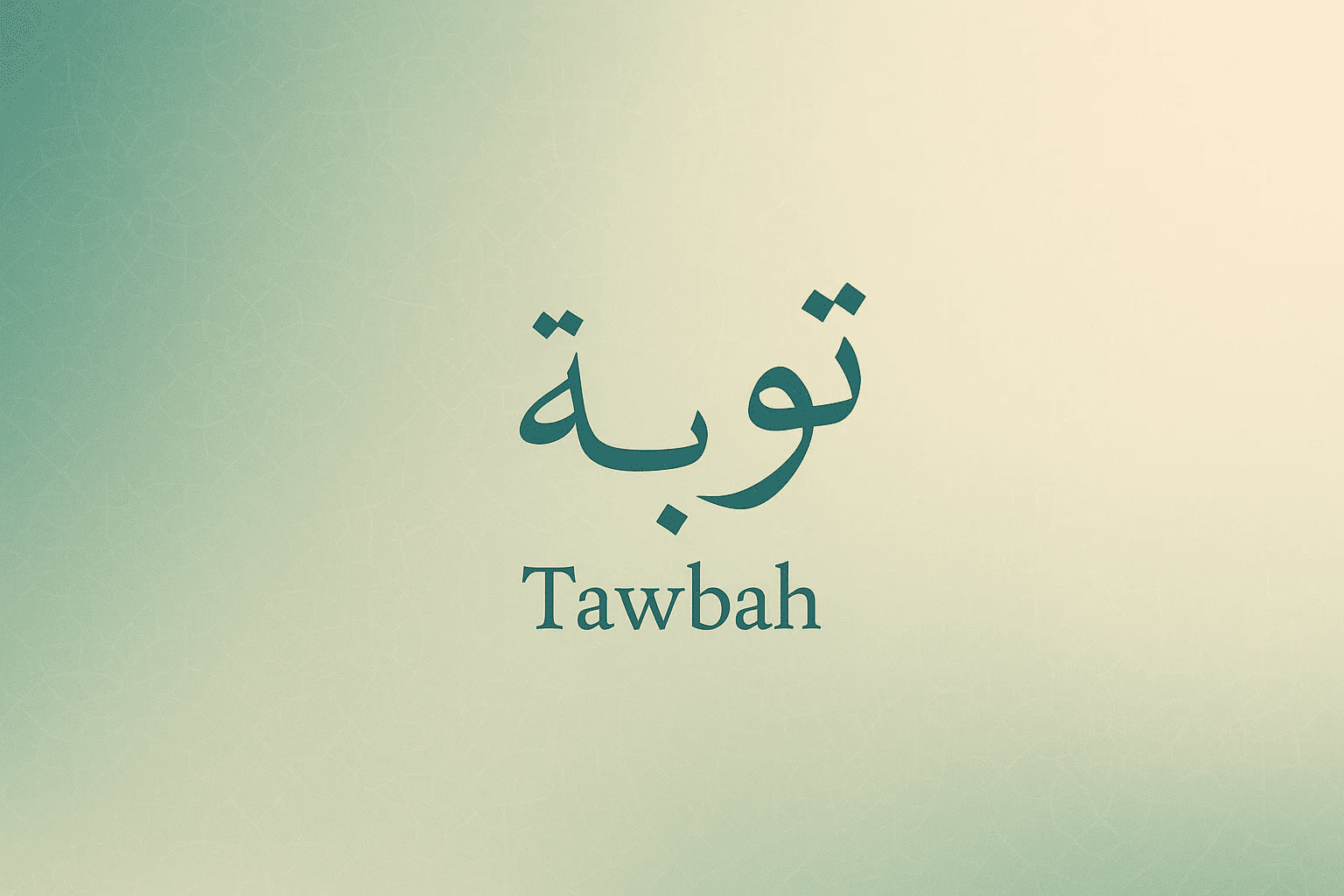
The Arabic word Tawbah (توبة) literally means “to return.” In the spiritual sense, it signifies returning to Allah after committing a sin, acknowledging one’s mistake, and resolving to stay away from it in the future.
Allah (SWT) says in the Qur’an:
“And turn to Allah in repentance, all of you, O believers, that you might succeed.”
(Surah An-Nur, 24:31)
Tawbah is not just an emotional reaction — it’s an action of faith, hope, and humility. It is a believer’s way of saying, “Ya Allah, I have wronged myself, but I know Your mercy is infinite.”
The Conditions of True Tawbah
The scholars of Islam mention four essential conditions for repentance to be accepted by Allah:
- Sincere Regret – Feeling true remorse for the sin committed.
- Immediate Abandonment – Stopping the sinful act right away.
- Firm Intention – Making a strong commitment not to return to the sin again.
- Restitution (if required) – If the sin involves the rights of another person, those rights must be restored.
When these conditions are met, a person’s Tawbah is not only accepted — it transforms the sin itself into a source of reward. As Allah says:
“Except for those who repent, believe, and do righteous deeds. For them Allah will replace their evil deeds with good.”
(Surah Al-Furqan, 25:70)
The Beauty of Allah’s Mercy
One of the most comforting aspects of Islam is that Allah loves to forgive. He calls Himself Al-Ghafoor (The Most Forgiving) and At-Tawwab (The Accepter of Repentance) — names that assure believers that no sin is too great to be forgiven.
The Prophet Muhammad (ﷺ) said:
“Allah extends His hand during the night so that the sinners of the day may repent, and He extends His hand during the day so that the sinners of the night may repent.”
(Sahih Muslim)
This hadith beautifully shows the continuous opportunity for forgiveness. Tawbah is not restricted by time — it’s an open door until the very last breath.
The Psychological and Spiritual Power of Repentance
Tawbah is not only an act of worship — it’s a profound healing process. Spiritually, it cleanses the heart from darkness. Psychologically, it brings peace and clarity. When one sincerely repents, the burden of guilt transforms into a sense of relief and purpose.
In a world filled with distractions and temptations, Tawbah reconnects us to what truly matters — our relationship with Allah. It reminds us that perfection isn’t required, but sincerity is.
Common Misconceptions About Tawbah
- “My sins are too great to be forgiven.”
➤ Wrong. Allah’s mercy is infinite. No sin outweighs His forgiveness. - “I’ll repent later in life.”
➤ Dangerous mindset. Death can come at any time; delaying Tawbah only hardens the heart. - “If I repent, I can sin again and just repent once more.”
➤ Tawbah requires sincerity. Repeated insincere repentance is hypocrisy, not faith. - “Repentance is only for the major sins.”
➤ Every sin, small or big, deserves repentance.
How to Strengthen Your Tawbah
- Make Istighfar (Seeking Forgiveness) part of your daily routine.
The Prophet (ﷺ) would seek forgiveness over 70 times a day. - Perform two Rak’ahs of Salat al-Tawbah when repenting sincerely.
- Reflect on your deeds daily — self-awareness is the key to repentance.
- Surround yourself with pious company. Friends who remind you of Allah make Tawbah easier to maintain.
- Keep hope alive. Never lose faith in Allah’s mercy.
The Blessings That Follow Tawbah
When Allah accepts your repentance, the blessings unfold in ways beyond imagination:
- Your heart becomes lighter and peaceful.
- You find barakah (blessings) in your time, health, and wealth.
- Allah protects you from repeating the same mistakes.
- The love of Allah fills your heart — and that is the greatest reward of all.
“Indeed, Allah loves those who are constantly repentant and loves those who purify themselves.”
(Surah Al-Baqarah, 2:222)
Frequently Asked Questions (FAQs)
Q1: Can Allah forgive me even if I’ve repeated the same sin many times?
Yes. As long as your repentance is sincere every time, Allah’s forgiveness remains open. The key is genuine regret and effort not to repeat it.
Q2: What if I feel my heart is too hard to repent?
Start small — say Astaghfirullah with meaning. Allah will soften your heart gradually through remembrance.
Q3: Can I repent from missing prayers or fasting?
Yes. Repent sincerely and make up for what you missed as best as possible.
Q4: How do I know if my Tawbah has been accepted?
If you feel peace after repenting, avoid the sin sincerely, and move closer to good deeds — these are signs of acceptance.
Conclusion: It’s Never Too Late to Return
Tawbah is not a sign of weakness — it’s a sign of strength and awareness. Allah loves the heart that turns back to Him, no matter how broken it is.
Each tear shed in repentance brings you closer to His mercy and light. The door of forgiveness never closes — all it takes is a sincere heart and a humble “Astaghfirullah.”
Return, Reflect, and Renew
At QuranAdept, we believe that spiritual growth begins with self-reflection. Explore our Qur’an learning programs, Tafsir insights, and guided Duas to strengthen your connection with Allah. Start your journey of faith today — visit QuranAdept.com and learn the beauty of Islam through understanding and reflection.