Why Surah Al-Fatiha is Called the Mother of the Book – Core and Foundation of the Quran
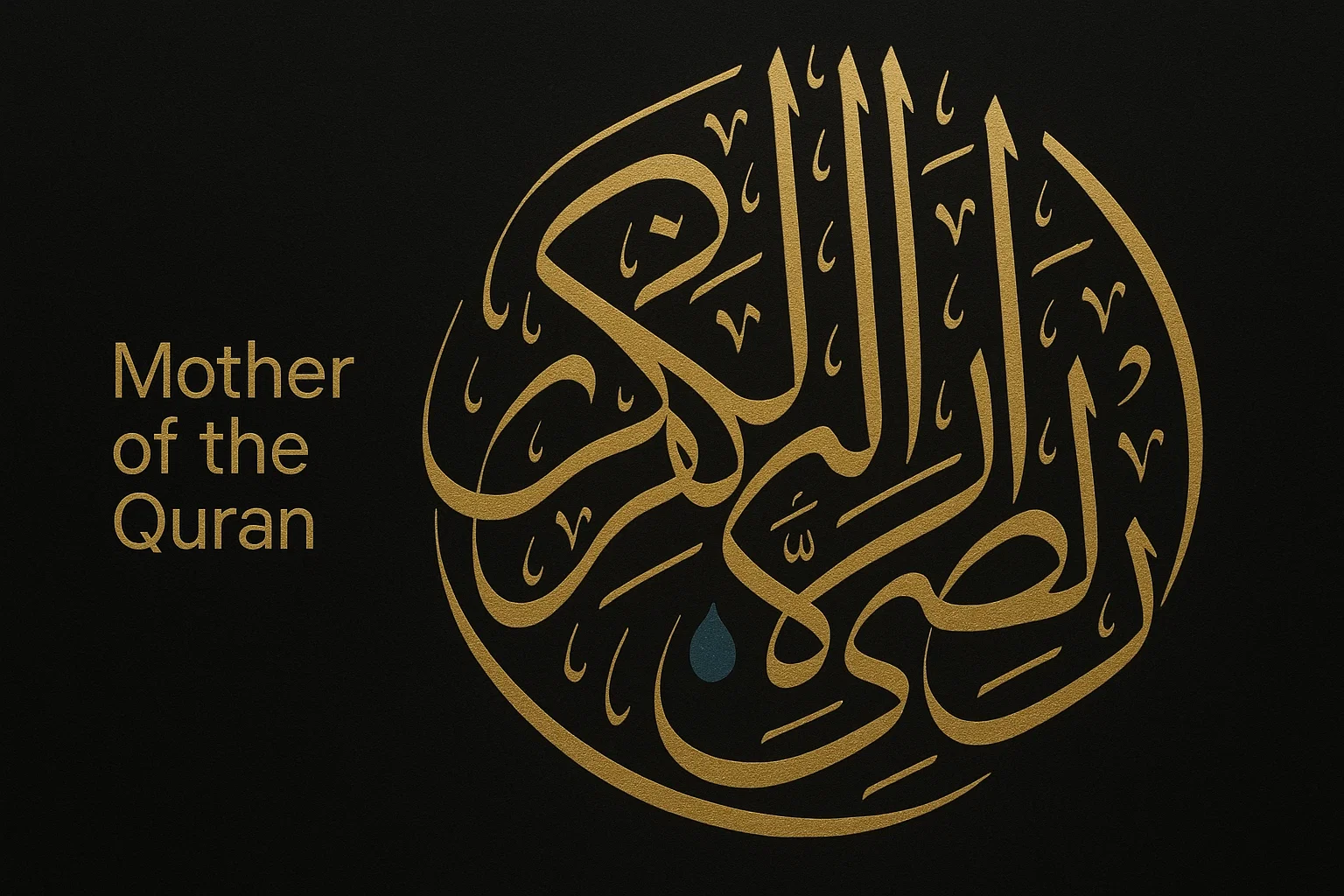
Surah Al-Fatiha, the opening chapter of the Holy Quran, holds a place of deep reverence among Muslims. Known as “Umm Al-Kitab” or “The Mother of the Book,” this chapter stands as both the beginning and the heart of the Quran. Though short in length, its seven verses carry an ocean of meaning. Muslims recite it several times a day in their prayers, reflecting its unmatched role in daily worship.
In this writing, we look into the importance of Surah Al-Fatiha, its meanings, and why it’s regarded as the core and foundation of the Quran.
Meaning and Overview of Surah Al-Fatiha
The word Al-Fatiha means “The Opening” — the chapter that opens the Quran. It consists of seven verses and is a Makki Surah, revealed in Makkah before the Prophet’s migration to Madinah.
This Surah is a heartfelt prayer that praises Allah, acknowledges His mercy and justice, and seeks His guidance. It reminds believers of Allah’s grace and directs them toward the straight path.
Its verses say:
In the name of Allah, the Most Gracious, the Most Merciful.
Praise be to Allah, the Lord of the worlds.
The Most Gracious, the Most Merciful.
Master of the Day of Judgment.
You alone we worship, and You alone we ask for help.
Guide us on the Straight Path,
The path of those who have received Your grace, not of those who earned Your anger or went astray.
Why Surah Al-Fatiha is Called the Mother of the Book
The title “Umm al-Kitab” means the source or foundation of the Quran. Scholars and the Prophet Muhammad (peace be upon him) described it this way because of the following reasons:
1. It Summarizes the Whole Quran
Surah Al-Fatiha carries the summary or mother of the Quran within it. It brings together three key principles of Islam:
- Tawheed – belief in the Oneness of Allah.
- Risalah – guidance through prophets and divine revelation.
- Akhirah – belief in the Day of Judgment.
These concepts form the base of Islamic belief, making Surah Al-Fatiha the core and foundation of the Quran.
2. It Is Part of Every Prayer
This Surah is recited in every Rak‘ah of Salah. Prayer without it is incomplete according to many scholars. Its repetition connects every Muslim directly to Allah multiple times a day.
No other chapter holds such a position in worship, showing its importance in daily spiritual life.
3. It Represents a Dialogue with Allah
In a Hadith Qudsi found in Sahih Muslim, Allah says:
“I have divided the prayer between Me and My servant into two halves, and My servant shall have what he asks for…”
This means that while reciting Surah Al-Fatiha, a believer directly communicates with Allah. Each verse receives a divine response, turning the Surah into a living dialogue between Creator and worshipper.
4. It Serves as the Key to Quranic Understanding
Surah Al-Fatiha sets the theme for the rest of the Quran. Every major concept found in later chapters stems from its message.
For instance:
- “Guide us on the Straight Path” is expanded through stories, commands, and guidance in the rest of the Quran.
- “You alone we worship” is explained through verses on devotion, ethics, and justice.
That’s why scholars consider it the introduction and essence of the Quranic message.
Names of Surah Al-Fatiha and Their Meanings
Surah Al-Fatiha is known by many names, each reflecting a special quality of this sacred chapter:
| Name | Meaning | Significance |
|---|---|---|
| Al-Fatiha | The Opening | Opens the Quran and every prayer |
| Umm al-Kitab | Mother of the Book | Foundation of divine knowledge |
| Al-Hamd | The Praise | Begins with gratitude to Allah |
| As-Salah | The Prayer | Central to every act of worship |
| Ash-Shifa | The Cure | Source of spiritual healing |
| Ar-Ruqyah | The Remedy | Used for protection and recovery |
Each name reflects the Surah’s deep spiritual and theological importance.
Spiritual Benefits and Virtues of Surah Al-Fatiha
1. A Source of Healing and Protection
The Prophet Muhammad (peace be upon him) described Surah Al-Fatiha as a Ruqyah (spiritual cure). It brings comfort and healing to those who recite it with faith, both for body and soul.
2. A Dua that Never Goes Unheard
Surah Al-Fatiha is more than a recitation; it’s a heartfelt supplication. When said with understanding, it becomes a direct plea to Allah for mercy, guidance, and strength.
3. The Greatest Surah
The Prophet (PBUH) said to one companion:
“I will teach you a Surah which is the greatest in the Quran… It is Al-Fatiha.”
This statement reflects its unmatched honor among all revelations. It stands unique among all divine scriptures.
Each name of Allah is a mirror — reflect in it, and your heart will see a face of Divine Mercy.
Verse-by-Verse Reflection on Surah Al-Fatiha
- Bismillah-ir-Rahman-ir-Raheem – Reminds of Allah’s endless mercy and care.
- Alhamdulillahi Rabbil ‘Aalameen – Declares gratitude to the Lord of all creation.
- Ar-Rahman-ir-Raheem – Reaffirms Allah’s compassion.
- Maliki Yawm-id-Deen – Recognizes His authority on the Day of Judgment.
- Iyyaka na’budu wa iyyaka nasta’een – Expresses complete devotion and reliance on Allah.
- Ihdinas-Sirat-al-Mustaqeem – A plea for steady guidance.
- Sirat alladhina an’amta ‘alayhim… – A request to remain on the path of the righteous, avoiding misguidance and wrath.
These verses together form a complete prayer — belief, worship, hope, and reliance.
Conclusion: The Heart of the Quran
The importance of Surah Al-Fatiha goes beyond its words. It stands as:
- A summary of the Quran’s message,
- A daily link between Allah and His servant,
- A means of healing and guidance, and
- A foundation for spiritual growth.
For these reasons, Surah Al-Fatiha is called the Mother of the Book — the heart that holds the message, spirit, and mercy of the Quran within its seven verses.
Strengthen Your Faith with Quran Adept — Discover the Wisdom of Surah Al-Fatiha
Reflect on the beauty of Surah Al-Fatiha — the Mother of the Book that guides every believer.
Take a moment to understand its message, strengthen your connection with Allah, and let its wisdom illuminate your heart.
Explore more about the QuranAdept and deepen your spiritual journey today.